I have two pieces of wonderful news to share with you! As of yesterday, TC Energy at last canceled all remaining plans for the Keystone XL pipeline (KXL). The Zombie Pipeline is finally completely dead! At the same time, I was able to negotiate a deal with the South Dakota state’s attorney and avoid jail time for my KXL protest last year.
It was a good day not just for me, personally, but for all water protectors. This shows that — even as many states around the country continue to pass laws criminalizing protest — the people still have power. Our activism can make a real difference. As my fellow Cheyenne River protester, Oscar High Elk, said yesterday, “Respect our existence, or expect our resistance.”
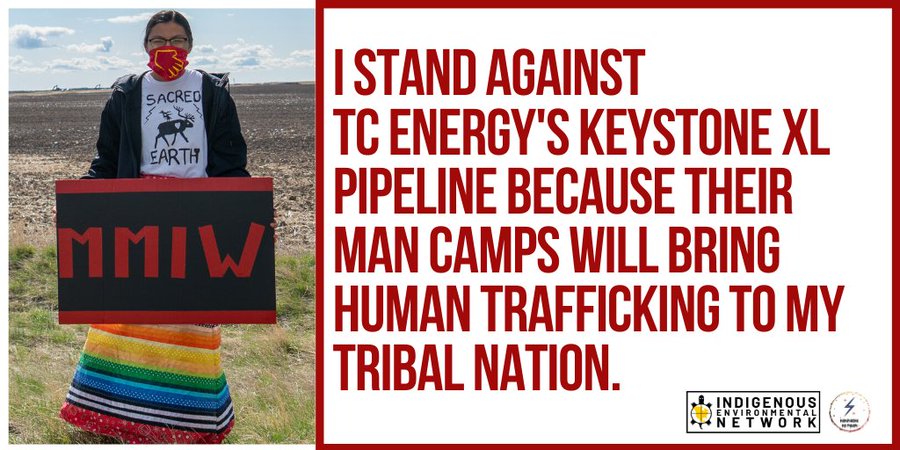
Of course, as you know, our resistance still has much left to accomplish. I’m grateful that KXL’s immediate threats to our land and water are gone, along with the dangers its mancamps presented to Indigenous women and girls in Lakota Country. But Dakota Access still operates — without a legal permit — and Line 3 presents the same peril to the homelands of our Anishinaabe sisters and brothers in Minnesota.
Now, it’s time to #StopLine3 and continue our #NoDAPL fight. The cards are always stacked against us, but we have shown time and time again our resilience, the power of our movement, and our ability to triumph against the greatest odds.
Just this week, hundreds gathered at a pump station near the headwaters of the Mississippi River in Minnesota, led by my sisters in arms, for the largest Line 3 protest yet. Reports tell us that a Department of Homeland Security helicopter harassed them, kicking up dust and gravel in an attempt to deter my relatives. It didn’t work. More than 100 were arrested, and we aren’t done yet. Like Lakota Law’s team, I’m considering ways I can best support this movement going forward. Because — take it from me — we can win!
Wopila — I’m very grateful for your solidarity with our resistance. Jasilyn Charger via the Lakota People’s Law Project
The Keystone XL pipeline project is officially terminated, the sponsor company announced Wednesday.
Calgary-based TC Energy is pulling the plug on the project after Canadian officials failed to persuade President Joe Biden to reverse his cancellation of its permit on the day he took office.
The company said it would work with government agencies “to ensure a safe termination of and exit from” the partially built line, which was to transport crude from the oil sand fields of western Canada to Steele City, Nebraska.
“Through the process, we developed meaningful Indigenous equity opportunities and a first-of-its-kind, industry leading plan to operate the pipeline with net-zero emissions throughout its lifecycle,” said François Poirier, TC Energy’s president and chief executive officer in a statement.
The pipeline has been front and center of the fight against climate change, especially in Indigenous communities. Native people have been speaking out, organizing, and in opposition of the project for several years.
“OMG! It’s official,” Dallas Goldtooth, Mdewakanton Dakota and Diné, wrote on Twitter regarding Keystone XL’s termination. “We took on a multi-billion dollar corporation and we won!!”
Goldtooth is part of the Indigenous Environmental Network. The network said it has been organizing for more than 10 years against the pipeline.
“We are dancing in our hearts because of this victory!” wrote the network in a statement. “From Dene territories in Northern Alberta to Indigenous lands along the Gulf of Mexico, we stood hand-in-hand to protect the next seven generations of life, the water and our communities from this dirty tar sands pipeline. And that struggle is vindicated. This is not the end – but merely the beginning of further victories.”
The network noted that water protector Oscar High Elk still faces charges for standing against Keystone.
Construction on the 1,200-mile pipeline began last year when former President Donald Trump revived the long-delayed project after it had stalled under the Obama administration.
It would have moved up to 830,000 barrels of crude daily, connecting in Nebraska to other pipelines that feed oil refineries on the U.S. Gulf Coast.
Biden canceled it in January over long standing concerns that burning oil sands crude would make climate change worse.
In this Feb. 18, 2020, photo, a protester plays a drum and sings while joined by others opposing the Keystone XL Pipeline at the South Dakota Capitol. (AP Photo/Stephen Groves, File)
Canadian Prime Minister Justin Trudeau had objected to the move, although officials in Alberta, where the line originated, expressed disappointment in recent weeks that Trudeau didn’t push Biden harder to reinstate the pipeline’s permit.
Alberta invested more than $1 billion in the project last year, kick-starting construction that had stalled amid determined opposition to the line from environmentalists and Native American tribes along its route.
Alberta officials said Wednesday they reached an agreement with TC Energy, formerly known as TransCanada, to exit their partnership. The company and province plan to try to recoup the government’s investment, although neither offered any immediate details on how that would happen.
“We remain disappointed and frustrated with the circumstances surrounding the Keystone XL project, including the cancellation of the presidential permit for the pipeline’s border crossing,” Alberta Premier Jason Kenney said in a statement.
The province had hoped the pipeline would spur increased development in the oil sands and bring tens of billions of dollars in royalties over decades.
Attorneys general from 21 states had sued to overturn Biden’s cancellation of the pipeline, which would have created thousands of construction jobs. Republicans in Congress have made the cancellation a frequent talking point in their criticism of the administration, and even some moderate Senate Democrats including Montana’s Jon Tester and West Virginia’s Joe Manchin had urged Biden to reconsider.
Tester said in a statement Wednesday that he was disappointed in the project’s demise, but made no mention of Biden.
Wyoming Sen. John Barrasso, the top Republican on the Senate energy committee, was more direct: “President Biden killed the Keystone XL Pipeline and with it, thousands of good-paying American jobs.”
A White House spokesperson did not immediately respond to a request for comment on TC Energy’s announcement.
It’s time to celebrate for a second day in a row, because we have amazing news from the U.S. Supreme Court. Yesterday late in the day, SCOTUS announced its ruling effectively halting construction of the Keystone XL pipeline (KXL)! Based on the Endangered Species Act, the Supremes upheld a lower court ruling preventing the pipeline from crossing domestic waterways. This is on top of Monday’s court decision to shut down oil flow through DAPL, making yesterday a truly good day for the environment and Indigenous sovereignty.
Let’s be clear: TC Energy, the pipeline’s operator, is not going to take this lying down. This is not KXL’s death-knell. So, we need to remain vigilant. For now, the Supreme Court has simply let stand U.S. District Court Judge Brian Morris’ injunction against construction while the 9th Circuit Court of Appeals reviews the pipeline company’s appeal.
It’s likely there will be further legal wrangling and attempts by TC Energy to circumvent proper environmental review. We can expect the same from the Trump administration, should Trump be re-elected in November. On the other hand, Joe Biden has publicly pledged that his administration will cancel KXL, should he win the presidency.
For now, we can be thankful. Construction of KXL will remain stopped — a win for Unci Maka, our Grandmother Earth, and for our Lakota families here on the front line. We can be grateful that our people will retain access to clean water and a measure of safety from man camps, which might otherwise have spread COVID-19 and contributed to our epidemic of missing and murdered Indigenous women and girls.
I thank you for standing with us against KXL so far. We’ll keep you informed of all developments going forward — and I hope I can count on you to stay with us, come rain or shine.
Wopila tanka — My sincere gratitude for your spirit and resolve!
Chase Iron Eyes
Lead Counsel
Via The Lakota People’s Law Project
Court rules to cancel energy lease on land sacred to Blackfeet
The Associated Press
‘The Badger-Two Medicine is more than just land; it’s an entire way of life’Associated Press
HELENA, Mont. — A federal appeals court ruled Tuesday to cancel a long-disputed oil and gas lease on land in northwestern Montana considered sacred to tribes in the U.S. and Canada.
The three-judge panel of the U.S. Court of Appeals for the District of Columbia Circuit overruled a judge’s 2018 decision that had allowed a Louisiana company to keep its lease within the Badger Two-Medicine area of Lewis and Clark National Forest.
That area near Glacier National Park is the site of the creation story of the Blackfoot tribes of southern Canada and Montana’s Blackfeet Nation.
John Murray, the Blackfeet’s tribal historic preservation officer, said the court’s decision will close a “long and painful chapter in the history of our people.”
“These leases should never have been issued in the first place,” Murray said. “Today’s ruling shows that these companies and their lawyers were not just on the wrong side of history but were also on the wrong side of the law when they waged their 40-year crusade to drill our ancestral land.”
“Our traditional practices and traditional lands are the firm ground underfoot that we need to push off into the future,” said Tyson Running Wolf. Running Wolf is a Montana state legislator, former Blackfeet Tribal Business Council member, hunting outfitter and leader among Blackfeet traditionalists. “This is how we heal ourselves, how we heal our communities, how we move forward into success. The Badger-Two Medicine is more than just land; it’s an entire way of life.”
Tim Preso, Earthjustice attorney, argued the case on behalf of intervenors including Blackfeet Headwaters Alliance, Pikuni Traditionalist Association, Glacier-Two Medicine Alliance, Montana Wilderness Association, National Parks Conservation Association and The Wilderness Society. These organizations have since joined the Blackfeet Nation in calling for permanent protection of the Badger-Two Medicine.
The lease owned by Solenex LLC was the last active exploratory lease of about 45 issued in the Badger-Two Medicine area since the 1980s.
“We’re obviously very disappointed in the panel’s decision today, particularly their refusal to engage with any of the arguments we raised on appeal,” said David McDonald, attorney for Solenex, which is owned by Sidney Longwell. “We fully intend on continuing to fight for Solenex and the Longwell family, and we’re currently considering all available avenues to do so.”
The company has held the lease for more than 30 years. It had not yet drilled because of bureaucratic delays within the U.S. departments of Interior and Agriculture, prompting the company to sue in 2013.
The U.S. government canceled the lease in 2016, saying a proper environmental analysis had not been conducted, a decision Solenex challenged. A federal judge sided with the company in 2018, saying the long amount of time between the lease being issued and canceled violated federal law.
The three-judge appellate panel ruled the judge’s findings were wrong and that the the government had considered Solenex’s interests.
“Delay by itself is not enough to render the lease cancellation arbitrary or capricious,” the ruling said.
A federal judge on Monday denied the U.S. Army Corps of Engineers’ request to amend his earlier ruling regarding TC Energy’s Keystone XL pipeline, reaffirming that a permit issued by the Army Corps was invalid.
Chief U.S. District Judge Brian Morris ruled again that the U.S. Army Corps of Engineers (USACE) violated the Endangered Species Act when it issued Nationwide Permit 12, which allows companies to construct energy projects at water crossings.
“The court rightly ruled that the Trump administration can’t continue to ignore the catastrophic effects of fossil fuel pipelines like Keystone XL.”
—Jared Margolis, Center for Biological Diversity
Climate action and Indigenous rights campaigners have for years fought the construction of the Keystone XL pipeline, which if built would cross bodies of water hundreds of times along its nearly 1,200-mile route from Alberta to Nebraska. TC Energy plans to send tar sands oil along the route, which opponents say would put Indigenous communities as well as wildlife at risk for dangerous leaks and exposure to toxic waste.
“The court rightly ruled that the Trump administration can’t continue to ignore the catastrophic effects of fossil fuel pipelines like Keystone XL,” said Jared Margolis, senior attorney with the Center for Biological Diversity, in a statement. “Constructing pipelines through rivers, streams, and wetlands without analyzing the impacts on imperiled species is unconscionable.”
The USACE had asked Morris to narrow his April 15 ruling, but the judge only changed his decision on Nationwide Permit 12 to allow non-pipeline construction, such as electrical transmission lines, to move forward.
“Our courts have shown time and time again that the law matters,” said Cecilia Segal, Natural Resources Defense Council (NRDC) attorney. “Today’s ruling makes clear that climate-busting pipelines like Keystone XL cannot be built until the federal government does its job and properly analyzes these projects’ devastating effects on their surrounding communities and wildlife. If that analysis is based on science and facts, pipelines like Keystone XL will never see the light of day because they remain, and always will be, a dire threat to our water, wildlife, and climate.”
John Chao created this beautiful photography book and has a chapter about Standing Rock. Check it out. People who were there have their names listed. I am listed there and am very proud to say that I was there, I was a witness, I contributed, and I tried to help in any way I could by waking up my school community on Sacramento to what was going on in North Dakota.
The struggle continues as we battle through a rogue government and a pandemic.
It will always be the artist, writers, and educators who will document and tell the tale.
It’s more important now than ever to unite and support each other. That’s why, on the 50th anniversary of Earth Day, we’re launching a massive livestream from April 22-24 where you can join activists, celebrities, musicians, and more in an epic moment of community and hope for our future. Together, we’ll:
Drive donations to benefit the COVID-19 relief effort
Call on world leaders to take emergency action to build a more sustainable and just world
Inspire millions to pledge to vote for our future.
For 50 years, we’ve been losing the fight for our planet. But we can make this the century we saved the world — starting on Earth Day. Here’s how you can spread the word and make this as big as possible.
As the COVID-19 pandemic continues to spread throughout the nation, we’re aware that it could have an outsized impact on Indian Country. Relief programs may not provide needed tests and medical supplies for us — or anyone — on an appropriate scale. Please know we are monitoring this, and as my colleague Chase Iron Eyes mentioned a few days ago, we’ll keep you updated on developments. May we all stay safe and healthy.
In the meantime, I write with some wonderful news. Just yesterday, Standing Rock won a big victory in the ongoing legal battle against the Dakota Access pipeline when a federal judge granted the tribe’s request to strike down DAPL’s federal permits!
The judge ruled that Trump’s Army Corps of Engineers must complete a full Environmental Impact Statement (EIS) — the much more comprehensive review we’ve all been demanding since the beginning of this movement (and that President Obama required, only to be reversed by Trump). The Corps fell short in three specific ways, according to the judge.
First, the Corps failed to respond adequately to claims by the tribe’s experts that DAPL’s leak detection system is wholly inadequate. Second, the company’s dreadful history of oil spills wasn’t properly addressed. Finally, the oil company failed to account for the adverse repercussions a “worst case discharge” might have on our treaty rights — our ability to hunt, fish, and perform traditional religious ceremonies near Lake Oahe, which the pipeline crosses under.
I was asked by the tribal chairman to represent Standing Rock’s interests at the hearing in Washington, D.C., but I couldn’t go because of Coronavirus travel restrictions. I’m gratified that, despite our troubles, we have been victorious, at least for now.
The logic of the judge’s ruling suggests the pipeline should not remain operational without a federal permit. The ruling actually references both the Titanic and Chernobyl concerning the possibility of human error, and I’m hopeful shutting down the flow will be the judge’s next step. He has now requested legal briefs on that issue.
Please stay tuned, as we hope to share more good news soon. In the meantime, stay safe and please listen to the medical professionals with knowledge about the requirements of this pandemic. We’re all in this together.
Wopila tanka — as always, we’re so grateful to you for standing with Standing Rock and Mother Earth.
Phyllis Young
Standing Rock Organizer
The Lakota People’s Law Project
Lakota People’s Law Project
547 South 7th Street #149
Bismarck, ND 58504-5859
The Lakota People’s Law Project is part of the Romero Institute, a nonprofit 501(c)(3) law and policy center. All donations are tax-deductible.
Thousands of water protectors and allies spent weeks at the Oceti Sakowin camp in North Dakota in 2016 to protest the construction of the Dakota Access Pipeline. (Photo: Reuters)
A federal judge handed down a major victory for the Standing Rock Sioux tribe of North Dakota on Wednesday, ruling that the U.S. Army Corps of Engineers violated the National Environmental Policy Act by approving federal permits for the Dakota Access Pipeline.
The USACE must complete a full environmental impact study of the pipeline, including full consideration of concerns presented by the Standing Rock Tribe, the judge ruled. The tribe has asked the court to ultimately shut the pipeline down.
The court chastised the USACE for moving ahead with affirming the permits in 2016 and allowing the construction of the Dakota Access Pipeline (DAPL) crossing the Missouri River after President Donald Trump assumed office in 2017, without considering the expert analysis put forward by the tribe.
“After years of commitment to defending our water and earth, we welcome this news of a significant legal win. It’s humbling to see how actions we took four years ago to defend our ancestral homeland continue to inspire national conversations about how our choices ultimately affect this planet.”
—Mike Faith, Standing Rock Sioux Tribe
The Standing Rock Sioux had raised concerns regarding the likelihood and danger of potential oil spills, DAPL’s leak-detection system, and the safety record of Sunoco Logistics, the company behind the pipeline. Sunoco “has experienced 276 incidents resulting in over $53 million in property damage from 2006 to 2016” and has “one of the lowest performing safety records of any operator in the industry,” the tribe’s experts found.
The federal ruling “validates everything the Tribe has been saying all along about the risk of oil spills to the people of Standing Rock,” said Earthjustice attorney Jan Hasselman in a statement. “The Obama administration had it right when it moved to deny the permits in 2016, and this is the second time the court has ruled that the government ran afoul of environmental laws when it permitted this pipeline. We will continue to see this through until DAPL has finally been shut down.”
DAPL and the fight against the pipeline was the subject of international attention in 2016 when thousands of water defenders gathered at camps in North Dakota, facing a highly militarized police force armed with tanks, riot gear, rubber bullets, and other weapons.
Since Trump reversed former President Barack Obama’s December 2016 order denying the permits and allowed the construction to be completed in June 2017, the tribe has challenged the permits and demanded the USACE conduct a full environmental analysis.
Wednesday’s ruling represented a “huge victory” for the tribe, 350.org co-founder Bill McKibben tweeted.
“Such thanks to all who fight!” he wrote.
“After years of commitment to defending our water and earth, we welcome this news of a significant legal win,” said Standing Rock Sioux Tribe Chairman Mike Faith. “It’s humbling to see how actions we took four years ago to defend our ancestral homeland continue to inspire national conversations about how our choices ultimately affect this planet. Perhaps in the wake of this court ruling the federal government will begin to catch on, too, starting by actually listening to us when we voice our concerns.”
Others on social media celebrated the victory and applauded the “tireless efforts” of the campaigners, with the East Bay Democratic Socialists of America calling the decision the “absolute best possible outcome” of the court battle.
“This is why we never stop fighting,” Earthjustice president Abbie Dillen said.
Our work is licensed under a Creative Commons Attribution-Share Alike 3.0 License. Feel free to republish and share widely.
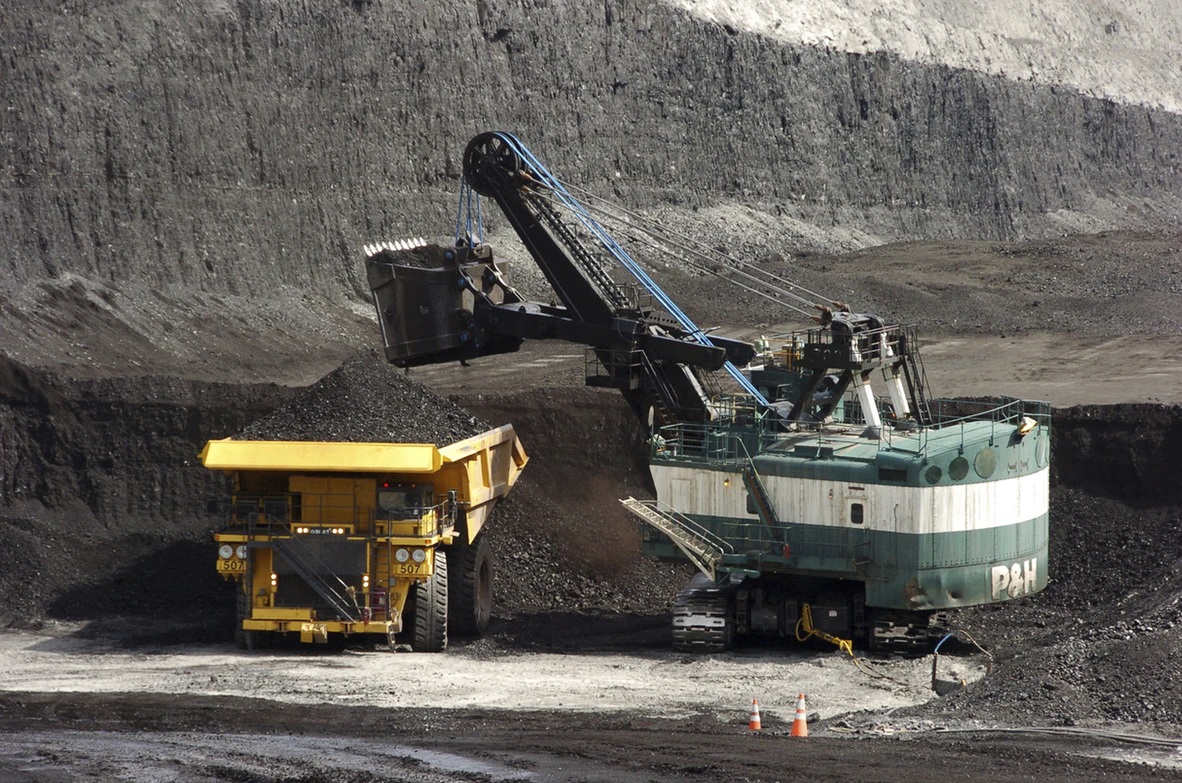
BILLINGS, Mont. (AP) — Montana regulators have reached a deal allowing the state to enforce environmental laws at a large coal mine bought by a Navajo-owned company, officials said Thursday.
For months, executives from the Navajo Transitional Energy Company and state officials had been unable to resolve demands the company waive its immunity as a tribal entity from future lawsuits.
The mine shut down briefly in October when the dispute over sovereignty first emerged. Thursday’s agreement came a day before a temporary waiver agreement was set to expire.
The Navajo company bought the 275-worker Spring Creek strip mine along the Wyoming border and two mines in Wyoming last year from bankrupt Cloud Peak Energy.




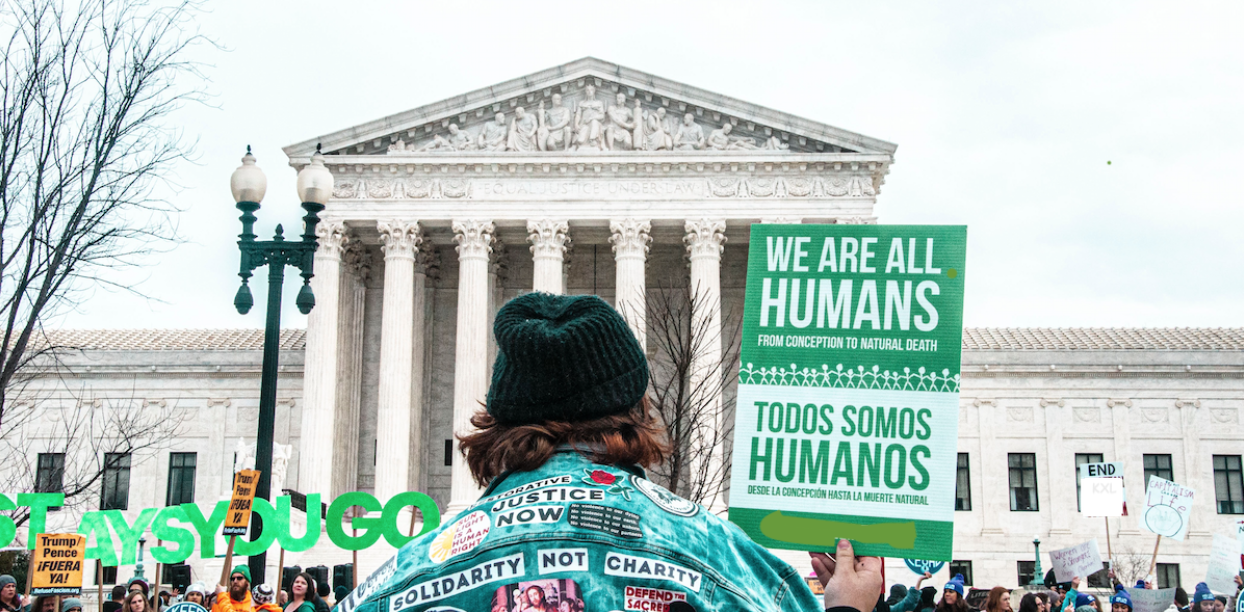



 John Chao created this beautiful photography book and has a chapter about Standing Rock. Check it out. People who were there have their names listed. I am listed there and am very proud to say that I was there, I was a witness, I contributed, and I tried to help in any way I could by waking up my school community on Sacramento to what was going on in North Dakota.




 Water is Life