National Day of Remembrance for Indian Boarding School Survivors

Lakota Law

September 30th, 2025

Today’s National Day of Remembrance for Indian Boarding School Survivors is another solemn reminder of how we acknowledge and learn from the past. The National Day of Remembrance began in Canada and is acknowledged in the States to honor the generations of Native and First Nations children forcibly removed from their homes to be sent to boarding and residential schools. Many of these institutions were government funded and many were church funded, but all were responsible for the oppression of Indigenous culture, language, and spirits. 

And still — last week — we were given another reminder that those at the federal level continue to deny the truth. This past Thursday, as reported on our Last Real Indians Native News Desk, U.S. Secretary of Defense Pete Hegseth announced that soldiers who were awarded Medals of Honor for their 1890 massacre at Wounded Knee of nearly 300 Lakotas — including defenseless women and children — will keep them. Hegseth’s announcement, made on X, followed a review requested by former Defense Secretary Lloyd Austin in 2024. 
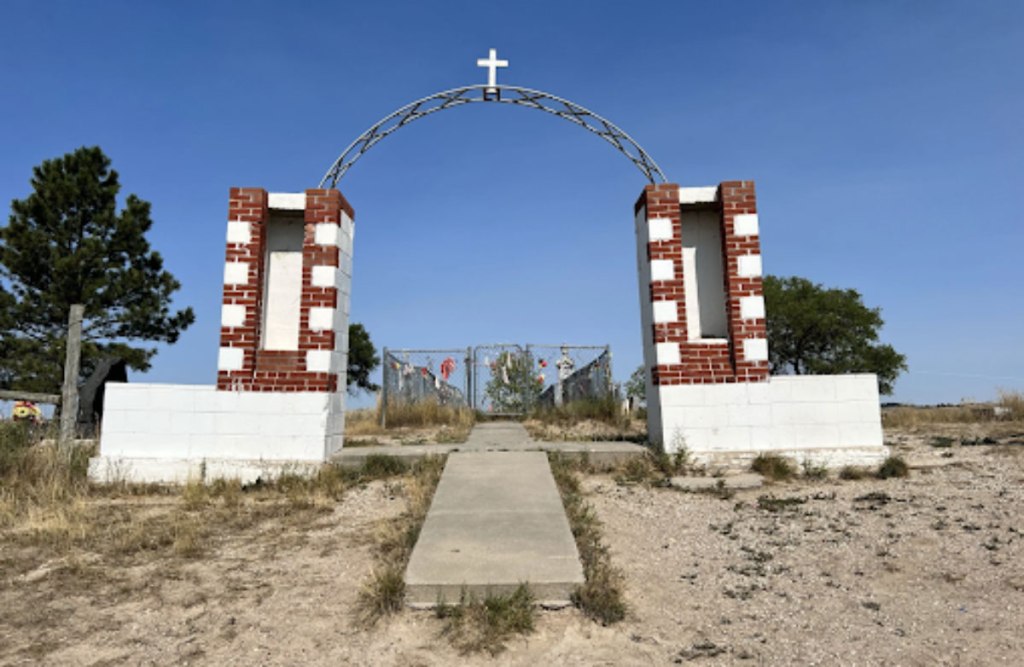
Read on LRI: Here’s the Wounded Knee Memorial on the Pine Ridge Reservation, located where more than 250 Lakota women, children, and men were killed by the U.S. military on December 29, 1890.

Many tribal leaders and organizations issued statements condemning the announcement, largely pointing out that the decision is not reflective of real American history — nor our shared values. People are simply asking for a correction in awarding the slaughter of women and children at Wounded Knee. This should not be a complicated issue.

Thankfully, our voices are being heard. After LRI Native News published our story on Hegseth’s announcement, Yahoo News and many others republished comments made by Lakota Law director Chase Iron Eyes. That’s important, because mainstream media often forgets to include voices from Indian Country, even on the issues that directly affect us. I see it as a simple equation: if you’re writing about a community, include that community’s voice. 

While the announcement to rescind the Wounded Knee Medals of Honor was denied by the current administration, and though Hegseth said the decision is final, that doesn’t mean this battle is over. There are still other pathways to remove the medals from history. For instance, we can and should tell Congress to pass the Remove the Stain Act. It also took far too long to end the political imprisonment of Leonard Peltier — but through tremendous, coordinated organizing and continued discussion and pressure, we got there.

Soon, we’ll publish an op-ed on LRI Native News from South Dakota Senator Red Dawn Foster detailing the steps it took to pass the resolution in the South Dakota State Senate asking Congress to investigate the Wounded Knee Massacre and next steps we can take to rescind the medals. We’ll also have much more to say later this week on the pattern of governmental overreach currently eroding our human, civil, and constitutional rights.

Indigenous residents of Turtle Island have long known these struggles. And we also know that when things look grim, you can’t give in, give up, or lose faith. So I thank you for standing with us. Let’s keep fighting together.

Miigwech — my enduring gratitude to you as a fellow member of this movement!
Darren Thompson
Director of Media Relations
Lakota People’s Law Project
Sacred Defense Fund

The Black Hills: Garden of Heroes?

Lakota Law

Happy Juneteenth to all! Speaking of American racism, the domestic news cycle this past week largely focused on protests by millions nationwide against the attacks on migrant communities by U.S. Immigration and Customs Enforcement (as well as President Donald Trump’s costly, sparsely attended military parade). Those are important issues, and we hope you stand with us in the ongoing fights for equity and justice — and against fascistic policies and displays.

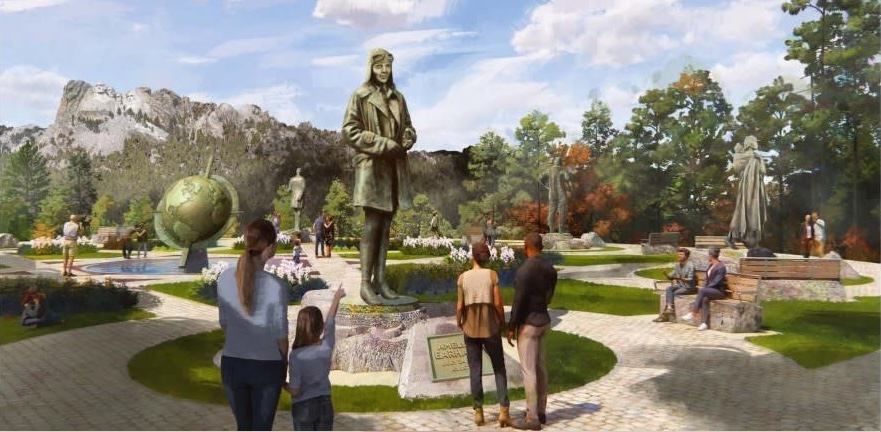
Meanwhile, it’s also important not to overlook the myriad implications of the administration’s proposed legislative agenda, including for Native communities. Those include massive budget cuts to eliminate funding for key programs and services, and now — as I report to you on our sister site, the Last Real Indians (LRI) Native News Desk — South Dakota elected officials want to put Trump’s proposed “Garden of Heroes” on Lakota homelands in the Black Hills, without consent from Native People. 

Read on LRI: Do Native People want Trump’s Garden of Heroes in our homelands? Did anyone think to ask us?

In the story, you’ll get the gist of the proposal, and you’ll notice a vast difference in approaches toward it from South Dakota’s (white) elected officials and from Indigenous leaders. Because the Lakota have never ceded the sacred He Sapa (Black Hills) to the U.S., and because the area was stolen in violation of treaty law, one might think the elected officials would make it a priority to get thoughts — permission, even — from the land’s original inhabitants. Unfortunately, they continue to operate from a place of entitlement.

As you’re likely aware, the U.S. Supreme Court ruled 45 years ago in favor of the tribes, but the Lakota have never accepted the (now more than $1 billion in) settlement money. The Black Hills are not, and never have been, for sale. As Lakota Law and Sacred Defense Fund executive director Chase Iron Eyes mentions in our story, if the federal government wants to place its garden on Lakota lands, it should return them first.

On a positive note, the garden is slated to include Indigenous representation. That, at least, is something. But, on this monumental day commemorating the end of U.S. slavery, let’s be clear that respecting the perspectives and agency of marginalized groups must also be part of the process. Now more than ever, we must keep fighting — not just for recognition, but for an inclusive and healthy path forward for all who call this place their home.

Miigwech — thank you for fighting for equity and justice!
Darren Thompson
Director of Media Relations, Lakota People’s Law Project
Editor-In-Chief, LRI Native News Desk

29th Annual Fort Robinson Outbreak Spiritual Run

Lakota Law

Warm greetings to you from the sacred (and chilly) He Sapa (Black Hills)! I’m here to witness and celebrate many young, Native runners on route from Fort Robinson, Nebraska to Busby, Montana, where — in solidarity with our Northern Cheyenne relatives, and on behalf of Lakota Law, Sacred Defense Fund, and the Standing Rock and Oglala Tribal Nations — I’m bringing you along for this year’s 29th Annual Fort Robinson Outbreak Spiritual Run

I encourage you to watch my short video introduction to this important and deeply meaningful yearly event. It honors — with a 400-mile run over six days through subzero temperatures and some of the most beautiful, wild, and sacred territory in all of Turtle Island — Northern Cheyenne ancestors who broke free from captivity in Fort Robinson on January 9th, 1879. The run retraces their steps and allows their descendants to complete the journey they were unable to finish to their homelands nearly a century and a half ago.


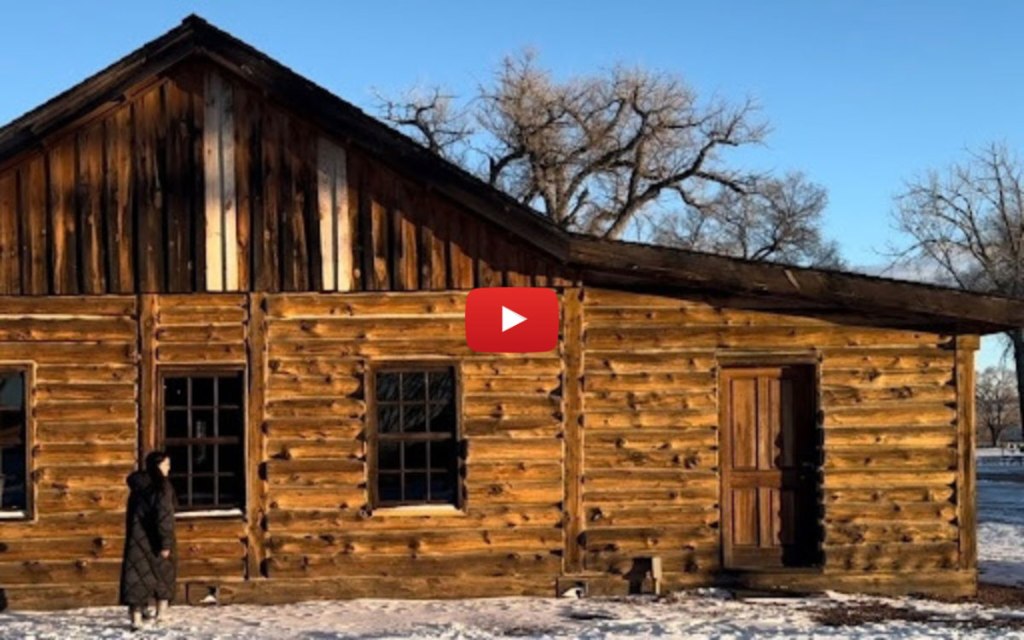
Watch: Here I am at the Fort Robinson barracks. In my new video, I discuss the history behind this run, which promotes healing through acknowledgment of generational trauma and taking healthful action.

I want to give recognition to the Two Bulls family and Yellow Bird Foundation for hosting this powerful event. The runners — mostly youth from many tribal nations — began with an orientation on Thursday before hitting the trail yesterday from Fort Robinson to Hot Springs, SD. After crossing though the He Sapa into Deadwood today, they’ll have three remaining legs before reaching their final destination in Busby.

Our participation here — and yours, through your support — is important, not least because it raises more awareness (both within our communities and without) of how colonization and imprisonment in “frontier” forts impacted our Northern Cheyenne relatives. In some ways, being present for and supporting this run embodies what our work is all about. It gives us a real opportunity to acknowledge the painful past while alchemizing generational trauma through healthy activity to empower the next generation.

Wopila tanka — my gratitude for your solidarity with our youth and ancestors!
Tokata Iron Eyes
Spokesperson & Organizer
Lakota People’s Law Project
Sacred Defense Fund

P.S. A second reminder: We remain deeply grateful to all of you who give of yourselves to make the ongoing work of Lakota People’s Law Project possible under our new home at Sacred Defense Fund. For those of you who donate through checks, please send them to our new mailing address, listed below, and kindly make out your checks to: Sacred Defense Fund. Thank you so much!

Note our new mailing address (and please make any checks payable to: “Sacred Defense Fund”)

Lakota People’s Law Project
c/o Sacred Defense Fund
PO Box 27
Santa Fe, NM 87504

Truthsgiving

Happy Truthsgiving to you and yours! If that term is new to you, I refer you here, to a “debate” I had with Sean Sherman, known as the Lakota Chef, last year at this time, published in The Nation Magazine. I put “debate” in quotes, because — truthfully — Sean and I agree on many things. For instance, we both talk about how traditional Thanksgiving mythology fails to recognize the steep price paid by our people after colonizers came to our shores, the land that was stolen from us, and the variety of indispensable foods contributed by Indigenous cultures now enjoyed around Thanksgiving tables.

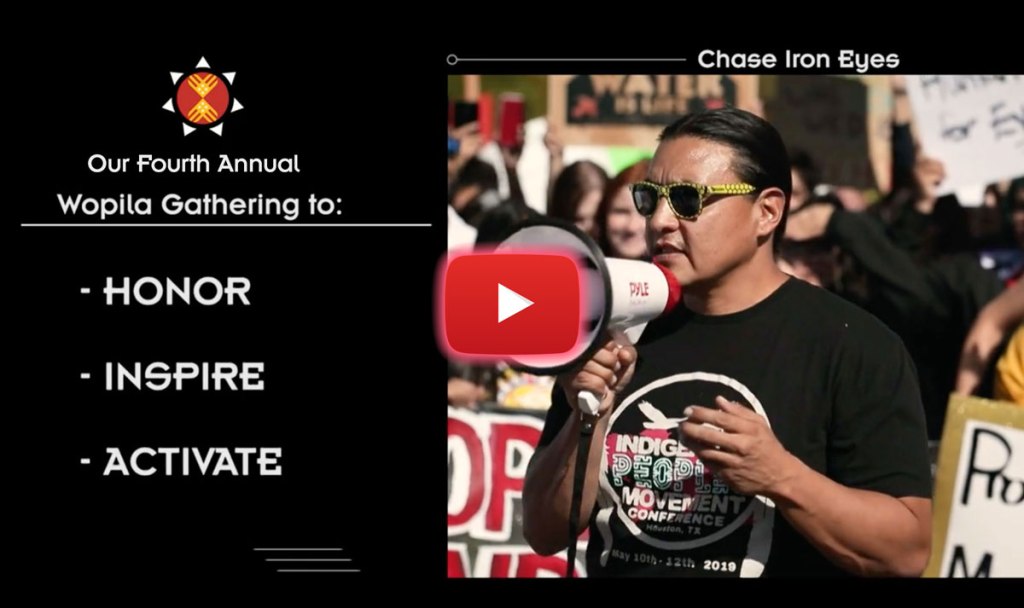
In my section, I expand on those thoughts by suggesting a rebrand of this deeply problematic holiday. Some in my community have called it “Thankstaking,” highlighting the many unwilling sacrifices Indigenous peoples have made over the centuries. Personally, I prefer Truthsgiving — which, while keeping with the traditional holiday spirit of sharing and gratitude, also calls for a necessary truthtelling component. And as a reminder to you: I invite you to stay in a space of gratitude and openness next week, when you’re invited to RSVP and join us online for our fourth annual Wopila Gathering, beginning at 4 p.m. PST on Giving Tuesday, Dec. 3.

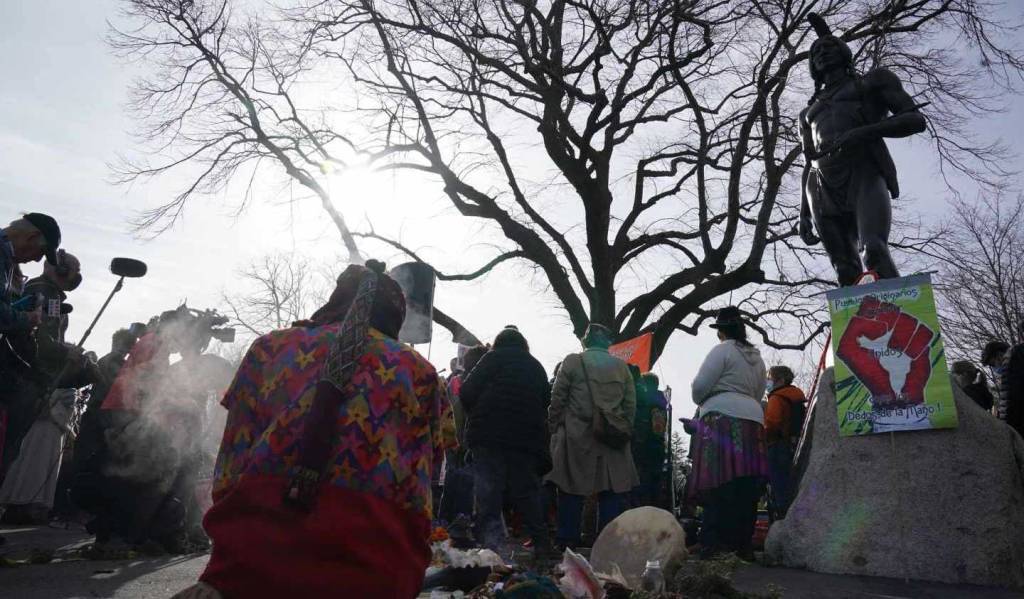
Lakota LawPeople engage in a National Day of Mourning ceremony in front of a statue of Chief Massasoit, leader of the Wampanoag tribe, in Plymouth, Mass. on Thanksgiving Day in 2021. (Bryan R. Smith / Getty Images)

Between Truthsgiving and our Wopila Gathering, on Friday the U.S. also celebrates Native American Heritage Day, at the conclusion of National Native American Heritage Month. I’m grateful that each November is designated as a time to celebrate the history, culture, and achievements of Turtle Island’s Indigenous nations. If you’re Native, I hope you’re able to take some extra time to commune with your relatives and acknowledge your ancestors this weekend. And if you’re non-Native, I hope you’ll make room to appreciate all we have given.

And then, everyone, please attend the Wopila Gathering on Giving Tuesday. This annual event provides an excellent opportunity for us to gather around an even larger table to share stories, priorities, music, and all we have to give to one another. It’s going to be a wonderful couple hours of togetherness, generosity, and joy, so I hope you’ll bookmark this page, RSVP, and Zoom in with us for the festivities!

Wopila tanka — thank you for hearing us, and I hope to see you on Tuesday.
Chase Iron Eyes
Director and Lead Counsel
Lakota People’s Law Project
Sacred Defense Fund
Lakota People’s Law Project

Lakota People’s Law Project
547 South 7th Street #149
Bismarck, ND 58504-5859

Wopila Gathering 2024 – December 3rd

Lakota Law

Today, I’m excited to announce that our fourth annual online Wopila Gathering is coming right up on Giving Tuesday, Dec. 3. It’s going to be a super incredible event this year — and you’re invited! Not only that, I hope you’ll extend the invitation to your friends for this special annual celebration of gratitude and Indigenous culture.

I’ll be hosting this year, and I urge you to come and spend some time online with me, Lakota Law leaders Darren Thompson and Chase and Tokata Iron Eyes, young leaders from the Native American Youth Organization (NAYO), and an incredible lineup of Indigenous performers and special guests. Please RSVP here, mark your calendar for Giving Tuesday, Dec. 3 from 4-6 p.m. PDT (7-9 p.m. EDT), then bookmark this page and return to it for the event in a couple weeks.

RSVP for Wopila Gathering

Watch: our short introductory video for more details on the big event — and RSVP to save the date!

I’m very much looking forward to seeing you at this yearly Giving Tuesday celebration, designed to share the spirit of wopila (deep gratitude), so we can honor, inspire, and activate as one in this movement for Indigenous and environmental justice. In addition to updates on our program priorities from Chase, Tokata, and NAYO, you’ll hear incredible music from talented Indigenous artists like Sage Bond and AntoineX and Miracle Spotted Bear of ALLSZN.

The Wopila Gathering is one of the highlights of our year at Lakota Law. Rather than simply ask for donations on Giving Tuesday like nonprofits across Turtle Island (though every donation is huge, and our allies at Nomadics Tipi Makers are generously matching the first $10,000 we receive this year), we want to use this day to give back to you and all our supporters. 

We love to feel the energy when thousands of our friends gather with us throughout the day to share space, stories, and culture. So I encourage you to be there, take it in, and use the opportunity to interact with us! Join the chat during the event, and we’ll post and read comments over the course of the livestream.

Again, please RSVP to let us know you’re coming, extend the invite to those you love by clicking the social share icons on our Wopila Page, then join the celebration on that same page on Dec. 3. I very much look forward to seeing you there! It promises to be a memorable and inspiring day of conversation, music, and celebration.

Wopila tanka — thank you for being a part of our circle!
Henry “Ozuya” Crow
Director of Community Empowerment & Cultural Health
The Lakota People’s Law Project
Sacred Defense Fund
An Apology is Not Enough

Lakota Law

In case you missed it, President Joe Biden traveled to the Gila River Indian Community in Arizona today, where he made a landmark formal apology on behalf of the U.S. government for the federal Indian boarding school era. “It’s a sin on our soul,” he said, before asking for a moment of silence “for what was lost and the generations who have lived with that trauma.”

In his speech, Biden earnestly described some of the atrocities perpetrated on generations of young children, separated from their families at these “schools.” He also used the occasion to list his administration’s accomplishments on behalf of Native People, including hiring Deb Haaland of the Pueblo of Laguna as the nation’s first Indigenous Cabinet secretary and protecting the Indian Child Welfare Act (ICWA) in the Supreme Court. 

As a Lakota Law supporter, you know those were team efforts, and I’ll always remain grateful to you for helping us participate in making them both happen. I am also thankful to the president for his long-overdue apology. But the truth is — as I said in a statement picked up widely by the press — it is not enough.

Watch: President Biden’s full speech here.

Let’s be clear: an apology is an acknowledgment of wrongdoing, but it is not any form of redress. An apology is just the beginning of a necessary truth-telling. It is a nice start, but it is not a true reckoning, nor is it a sufficient remedy for the long history of colonial violence. The president’s apology calls for a deeper examination. I ask him to work with those knowledge holders within Indigenous communities to tell the entire, historical truth and look at proper redress.

We need more real action on a path toward reconciliation. As you know, we have many ideas for what truly addressing the history of genocide in the U.S. should look like. From rescinding medals of honor given to those who massacred our people at Wounded Knee to codifying ICWA at the state level, there are many tangible steps that can be taken to help and honor Native families, children, and communities. 

Lakota Law

Let’s remember that the separation of Native children from their families did not end with boarding schools. Lakota Law came into being because our grandmothers sought help with the ongoing epidemic of South Dakota’s Department of Social Services (DSS) removing our children at alarming rates. While Native people make up around a tenth of the state’s population, Native children comprise about half of the children in foster care here. And a report we produced a few years back showed that more than 60 percent of children who aged out of DSS custody in South Dakota wound up dead, addicted, imprisoned, or houseless.

So yes, I’m grateful that Biden has acknowledged some historic wrongs and begun to prioritize Native representation and funding for our communities in the present day. I’m also clear-eyed that we have much more to do together moving forward, so let’s keep working! I thank you for your heart and your activism in helping us realize a better world for the generations to come.

Wopila tanka — my gratitude for your friendship in this journey.
Chase Iron Eyes
Director and Lead Counsel
Lakota People’s Law Project
Sacred Defense Fund
Terrorists? From the Same Government Participating in Genocide.

Lakota Law

Do you remember the hideous tactics used by law enforcement and private militarized security during the Dakota Access pipeline resistance? For instance, Lakota Law director Chase Iron Eyes was accused of domestic terrorism just for standing in a prayer circle to protect his homelands. Though this ridiculous charge was later dropped, it’s significant that such terminology was used in the first place. It’s a classic — and deeply harmful — racist trope to label non-white people as “terrorists” simply for exercising our First Amendment rights. 

While that dangerous rhetoric hasn’t gone away, I’m happy to say that, these days, tribes aren’t taking it lying down. A few weeks back, the Lac du Flambeau Band of Lake Superior Chippewa — my tribe — banished Wisconsin State Senator Mary Felzkowski from our lands after she equated tribal leadership to “terrorists.” She made the remark on Aug. 23 at a town hall meeting in Woodruff, Wisconsin, a bordertown of the reservation. This, of course, follows all nine of South Dakota’s Lakota nations banishing S.D. Gov. Kristi Noem earlier this year for her use of similarly abusive language.

Photo of the 37th Annual Bear River Pow Wow on the beautiful homelands of the Lac du Flambeau Band of Lake Superior Chippewa. From the tribe’s Facebook page.

The dispute in my homelands centers around residents of the town of Lac du Flambeau — situated on the reservation but home to many non-Natives — and their unauthorized use of roadways on tribal lands. Last year, the federal government sued the town on behalf of the tribe and asked for relief, asserting that non-Native residents had been trespassing on the tribe’s lands. The tribe set up barricades, later removed once the town agreed to pay fees to the tribe. 

Here’s a little more history on how we got here. When the Dawes Act was passed in 1887, lands opened to non-tribal members on many reservations. Now, in my home region, non-tribal members own land within every reservation but one. As a result, tribal governments govern tribal lands and members, while townships govern non-tribal lands and non-tribal members. In places like Lac du Flambeau — or the town of McLaughlin on the Standing Rock Reservation in South Dakota — the two entities often clash over competing priorities, and Natives and non-Natives must share space while at odds with each other.

By 1901 at Lac du Flambeau, 578 allotments had been distributed, and approximately 45,000 acres had passed into ownership by non-Natives. The problems associated with this reality can be hard to solve, but one thing I can be sure of is that it’s important to respect both the sovereignty and humanity of tribal peoples every step of the way. Felzkowski, who serves as co-chair for Wisconsin’s Special Committee on State-Tribal Relations, should know this.

Instead, in addition to spreading harmful stereotypes, her comments undermine the Lac du Flambeau Band’s sovereign right to govern itself, its lands, and its citizens. Like Gov. Noem, Sen. Felzkowski just found out what happens, even to powerful government actors, when you mess around with that. 

Wopila tanka — thank you for supporting sovereignty!
Darren Thompson
Director of Media Relations
Lakota People’s Law Project