The politics behind a name
On the Wednesday edition of the ICT Newscast, an Osage elder discusses sovereignty and changing tribal constitutions. There’s a new Choctaw anthology sharing stories, essays and poems. Holly Cook Macarro breaks down Indigenous Peoples Day
- ICT
- Oct 12, 2022
Jim Gray was the youngest chief to be elected to lead the Osage Nation in Oklahoma. During that time, he worked through many issues that helped strengthen his government — and ultimately the Osage people. Today he’s a consultant with Gray Consulting.
The perspective of Choctaw matriarchs is being presented in a new anthology called, “Stories by Choctaw Women.” Ten women contributed stories that range from fiction and nonfiction, some essays, family letters and even poetry. The book is edited by Leslie Stall Widener and her sister, Celia Stall Meadows.
Many states have changed Columbus Day to Indigenous Peoples Day. It is a movement that is decades in the making. ICT regular contributor Holly Cook Macarro weighs in on the politics of this name. She is a partner with Spirit Rock Consulting and she’s from the Red Lake Ojibwe nation.
A slice of our Indigenous world
- The Interior Department has released a progress report sharing how it is tackling climate change. Last week, the agency’s 10-page report said it has made several investments. That includes committing $46 million in appropriations to tribal communities who are already feeling the impacts.
- A powwow, parade and memorial walk were just a few of the events for Native American Day in Rapid City, South Dakota over the weekend. The arena for the Black Hills Powwow was full with over 15,000 dancers. This year’s parade grand marshal was Jackie Giago, the widow of the late Tim Giago. In 1989, Tim worked with Gov. George Mickelson to create Native American Day. The annual Remembering the Children memorial walk honored 50 children who died while attending the Rapid City Indian Boarding School.
- In Canada, a Métis mother says a worker at her child’s daycare cut her son’s hair without permission. As a result, Jana Nyland pulled her son out of the daycare center. Here’s APTN’s national news team with the latest.
- Several tribal nations in the U.S. are getting funding for internet access. The grants are coming from the National Telecommunications and Information Administration, and will provide thousands of people with high-speed broadband. In Alaska, the Kuskokwim region is one of the most underserved groups when it comes to internet connectivity. The Winnebago tribe in Nebraska is also benefiting from the funding.

Aboriginal Ngarrindjeri elder Major Sumner, shown here in a 2009 photo in traditional regalia, welcomes the return of Australian Indigenous peoples remains from London. Sumner was recognized for lifetime achievement and inducted into the South Australian Environment Hall of Fame in October 2022 for his work. (AP Photo/Lefteris Pitarakis)
Deusdedit Ruhangariyo
Special toICT
Around the world: Canada returns land to Tyendinaga Mohawk Territory, a Ngarrindjeri elder is honored for protecting the environment, Maasai herders lose an eviction claim, Māori women boxers rank at the top of the world, Western Australia government reviews youth offender laws.
CANADA: Minister signs deal to return Mohawk land
The Canadian government has agreed to return nearly 300 acres of disputed lands with $31 million in compensation to the Mohawks of the Bay of Quinte in Ontario, CBC News reported on Oct. 3.
The deal to return the lands to the Tyendinaga Mohawk Territory – marked in a ceremonial signing by Crown-Indigenous Relations Minister Marc Miller – settles part of a bitter dispute over about 900 acres of land now largely held by private owners about 125 miles east of Toronto.
SUPPORT INDIGENOUS JOURNALISM.CONTRIBUTE TODAY.
MBQ Chief Don Maracle told CBC News that the band has offered a financial settlement package to the adjacent town of Deseronto, but he couldn’t offer a timeline about resolving the rest of the claim.
“It’s willing seller, willing buyer,” he said, according to CBC News. “If somebody wants to sell their land, they’ll let us know.”
The disputed land, known as the Culbertson Tract, includes 448 separate parcels of land that cover most of Deseronto.
The deal will now move into the government’s complicated “additions-to-reserve” program that Miller called “morbid” and “broken.”
“The whole process itself is one that is vested in the Indian Act,” he said, according to CBC News.
The land dispute began in 1837 when the government illegally granted about 900 acres of unsurrendered Mohawk territory to John Culbertson, grandson of community founder John Deserontyon, CBC News reported.
AUSTRALIA: Elder honored for environmental work
Elder Major “Moogy” Sumner has been honored with a lifetime achievement award and induction into the South Australian Environment Hall of Fame, National Indigenous Times reported on Oct. 5.
Sumner, a cultural ambassador of traditional culture who has long fought for protection of the environment, was honored at the South Australian Environment Awards.
He has also championed the Ngarrindjeri people and other First Nations people, and campaigned against systems that allowed rivers to be drained and oil and gas drilling in the Great Australian Bight, a bay off the southern coast of Australia, NIT reported.
“Aboriginal people are very patient people, but when we see that things are being done wrong, like they are for the river, we’ve got to come together and say it’s wrong, and do something about it,” Sumner said in a statement on the Hall of Fame website.
Sumner has helped the First Nations people in South Australia, reigniting ceremonial fires along traditional Aboriginal trade routes and reconnecting the area with traditional Ngarrindjeri canoe building.
He is also an artist, with his works covering traditional dance and song, arts and crafts such as wood carving, and martial arts techniques using traditional shields, clubs, boomerangs and spears, NIT reported.
“Caring for country is a profound connection of listening and looking after our environment and people – it is healing for our spirit,” he said, according to CBC News. “We truly are a force of nature – we come from nature. To look after country is to look after community.”
Sumner was one of ten SA Environment Award recipients, five of whom received lifetime achievement awards.
TANZANIA: ‘Shocking blow’ to Indigenous land rights
A Tanzanian court has dismissed a lawsuit filed by Maasai herders who are fighting government efforts to forcibly remove them from their lands to make way for a luxury game reserve, The Guardian reported on Oct. 5.
The herders are appealing the ruling by the East African court of justice, which activists said was a “a shocking blow” to Indigenous land rights, The Guardian reported.
The Maasai say the Tanzanian government is trying to evict them to make way for a United Arab Emirates company to open a game reserve, according to The Guardian.
Donald Deya, lead attorney for the herders and chief executive of the Pan-African Lawyers Union, said the ruling “disregarded the compelling multitude” of evidence presented in court.
The legal fight started in 2017, when residents of four Maasai villages in northern Tanzania went to court to stop the authorities evicting them from about 580 square miles of land in Loliondo, bordering the Serengeti national park. The lands are home to more than 70,000 Maasai.

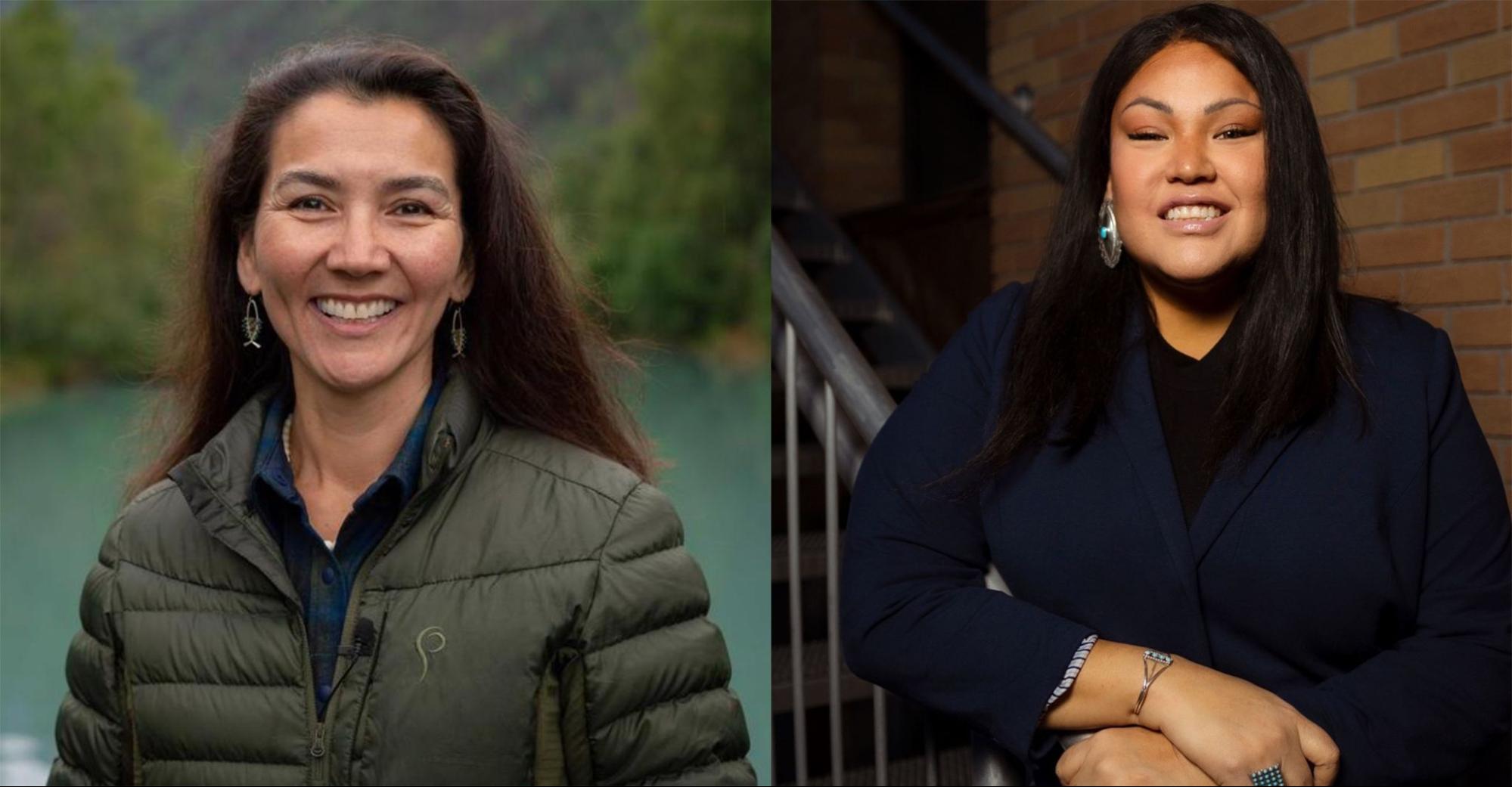 Mary Peltola (left), is Alaska’s first Native congresswoman. Lynnette Grey Bull (right) is running to become Wyoming’s first.


 Exhibitor Registration Closes SoonThe NCAI Marketplace offers exhibitors a premiere opportunity to interact with tribal leaders, national Native organizations, and other key figures from across Indian Country. Exhibitor registration ends Friday, October 14, 2022.
  Attend a Pre-Conference WorkshopThis free workshop will provide a walk-through on how individuals and organizations can prepare a Get-Out-the-Vote plan of action for their communities. Participants will engage in discussion about election protection, how to become a poll worker, and much more.
 Become a Member of NCAIAs a membership-driven organization, NCAI strives to represent the many nations, villages, communities, and individuals that make up Indian Country.
 Sponsorship Opportunities AvailableFor more information on sponsorship opportunities to showcase your brand, please contact
 Copyright (C) 2022 National Congress of American Indians. All rights reserved.
 Water is Life