Water

https://indiancountrytoday.com/news/group-helps-fill-gaps-in-navajo-nation-water-access-wPob9SSX30Ck3o8wAgmtLw


Cronkite News

‘We have to be able to lift each other up; that’s the only way we’re going to make it out of this together’
McKenzie Allen-Charmley
Luce Foundation: Southwest Stories Fellowship

PHOENIX – By now, you’ve probably heard it more times than you can count: One of the simplest ways to reduce the risk of COVID-19 infection is to wash your hands.

But for the nearly one in three Navajo Nation households without indoor plumbing, that’s easier said than done.

“People (here) call it a luxury to be able to have running water,” said Yolanda Tso, a Navajo Nation member and community advocate. “I don’t really believe that should be considered a luxury in this day and age, especially in this country.”

Tso founded WATERED – Water Acquisition Team for Every Resident & Every Diné – to help fill gaps in water access on the reservation, which this summer eclipsed New York in per-capita coronavirus infection rates, according to CNN. She started raising funds to purchase hand-washing stations for families in need in April and began deliveries in June.

Yolanda Tso, founder of the WATERED, demonstrates how to use the hand-washing stations that the organization has provided to more than 110 households in the Navajo Nation by early this summer. (Photo courtesy of Yolanda Tso)
Yolanda Tso, founder of the WATERED, demonstrates how to use the hand-washing stations that the organization had provided to more than 110 households on the Navajo reservation by early this summer. (Photo courtesy of Yolanda Tso)

Tso said she knows her small-scale, donation-dependent operation can’t fix the broader infrastructure problems on Navajo land. In 2018, the Indian Health Service told Congress the tribe had more than $450 million in unfunded water needs.

But she hopes it can help even the playing field for a population infectious disease specialists say has a higher-than-average risk of contracting COVID-19.

“At this moment, it’s going to help people be able to accomplish those goals of protecting themselves,” Tso said.

Impact of federal relief funding unclear

As of Aug. 4, the Navajo Health Department had reported 9,156 confirmed cases of COVID-19 in a population of about 175,000 – more infections per 100,000 residents than any state in the country, according to data from Johns Hopkins University.

The reservation also had a death toll higher than that of 16 U.S. states, with 463 residents lost to the disease by that date.

Navajo officials have proposed spending about $300 million of the $714 million they’ve received in federal CARES Act funding on water infrastructure to help slow the spread of COVID-19, according to a release from Navajo Nation President Jonathan Nez’s office.

But restrictions require officials to spend CARES Act funds by the end of the calendar year, and Navajo officials say it likely would take at least two years to get a substantial water infrastructure project off the ground.

Even if the federal government grants the spending extension Navajo leaders have requested, the extra time would not address the immediate needs of families without running water.

That’s where Tso and other Navajo volunteers come in.

WATERED’s team has delivered hand-washing stations to more than 110 households on the 27,000-square-mile reservation as a stopgap measure, Tso said.

Yolanda Tso (left, in blue) and volunteers unload hand-washing stations for Navajo Nation residents from a delivery truck donated by the moving company State 48. (Photo courtesy of Yolanda Tso)

The stations include reusable 5-gallon jugs and 5-gallon buckets for catching used water, and WATERED provides liquid hand soap, toilet paper, paper towels and disinfectant.

The group relies on donations to cover supply and travel costs, Tso said, and some local companies have made in-kind contributions to increase WATERED’s efficiency and reach. The Glendale moving company State 48, for instance, provided a delivery truck to transport of the stations.

These families “don’t have the ability to get a main source of stopping the spread of COVID as easily as most other communities,” State 48 owner Amanda Lindsey said.

Pandemic prompts ‘important’ access conversation

Annie Lascoe of DigDeep, a nonprofit that works to address water needs on the reservation and elsewhere, described water access as a “deeply entrenched racial justice issue.”

White households are 19 times as likely as Native households to have running water, according to a 2019 report from DigDeep and the Water Alliance that argued rural and tribal community members “understand the historical barriers to access better than outsiders.”

“When we’re looking at Indigenous peoples’ rights, Indigenous communities around the world are the ones that are preserving all of our natural resources,” Lascoe said, citing the Navajo philosophy of “tó éí ííná” – “water is life.”

Yet Native populations are “the No. 1 communities that are also deeply impacted by entrenched systems that have robbed them of access to those resources,” she said.

Indeed, the U.S. government has repeatedly left tribal officials out of key water-policy negotiations, despite the 1908 Winters Doctrine promising federally reserved water rights to Indigenous communities.

Navajo leaders in recent years have pursued water settlements at the state level in Arizona, Utah and New Mexico, but the Navajo Department of Water Resources continues to point to a “lack of adequate domestic and municipal water” as one of the nation’s biggest challenges.

Tso said she would “would never choose a pandemic to have these conversations,” but “it’s so important for people to understand that even though we live in 2020 and we think of America as this superpower, we still have people who are living in conditions that are subpar.”

“We have to be able to lift each other up,” she said. “That’s the only way we’re going to make it out of this together.”

Cronkite logo bridge

This story is made possible through a partnership between the Walter Cronkite School of Journalism and the Center for the Study of Religion and Conflict at Arizona State University, with the support of the Henry Luce Foundation.
Call for Honor

FOR IMMEDIATE RELEASE
July 31, 2020
CONTACT:
NCAI Calls on the FCC to Honor its Trust Responsibility to Tribal Nations During Global Pandemic
WASHINGTON, D.C. | Despite widespread requests from tribal nations, intertribal organizations, the Assistant Secretary for Indian Affairs, Congress, various corporations, and national broadband advocates to extend the 2.5 GHz tribal priority filing window by 180 days, earlier today the Federal Communications Commission (FCC) announced only a 30-day extension of the 2.5 GHz Tribal Priority Window (TPW) to September 2, 2020.
The FCC argues that “[a]n extension would delay the ability of those Tribes that have filed to receive licenses to provide badly needed broadband service to their communities.”[1] However, the FCC record provides no support for this assertion, which only serves to create needless and harmful division between tribal nations. As set forth in the National Congress of American Indians’ Motion to Stay, tribal nations that have applied for the TPW would not be harmed by an extension because the FCC has granted Special Temporary Authority to several tribal nations to begin operating in the 2.5 GHz band,and can do so for others.[2]
The TPW is one of the few inexpensive solutions to overcoming the numerous barriers that have prevented better connection to tribal areas, as well as preparing them for future high-speed connections. A failure to recognize the effect of COVID-19 on the very entities the FCC seeks to help with the TPW will affect access to basic healthcare and education across Indian Country. Significant additional time for tribal nations to file for licenses during this window is necessary and critical.
The FCC, at a minimum, must provide the same 180-day extension to tribal nations that it gave to the cable industry due to COVID-19.[3] Indian Health Service and Center for Disease Control data document the devastating impacts of COVID-19 across Indian Country.[4] The FCC must uphold its trust responsibility to Indian Country, especially during this unique time of need. Failure to do so is unacceptable. NCAI will continue to advocate for an extension of the TPW – to enable all tribal nations the ability to access this critical resource – and calls upon Congress to pass legislation to ensure Indian Country has access to spectrum on tribal lands.
[2] Motion footnote.
[3] From motion
[4] Cite to situation summary
###
About the National Congress of American Indians:
Founded in 1944, the National Congress of American Indians is the oldest, largest and most representative American Indian and Alaska Native organization in the country. NCAI advocates on behalf of tribal governments and communities, promoting strong tribal-federal government-to-government policies, and promoting a better understanding among the general public regarding American Indian and Alaska Native governments, people and rights. For more information, visit www.ncai.org.

A State of Emergency

We’re in a state of emergency. For months, the Trump administration withheld our COVID relief funding, and now they’re threatening to replace tribal police with federal cops at Cheyenne River, forcing a lawsuit from the tribe. To add insult to injury, the president will descend upon our homelands this Friday, under the guise of celebrating freedom and independence at Mount Rushmore.

We need your help. Please tell the Department of the Treasury and the Bureau of Indian Affairs to respect tribal health, safety, and sovereignty. COVID relief funds must be sent to tribes on schedule, checkpoints protecting our reservations must remain in place, and uninvited BIA police — and Trump — have no business in our territory.

Lakota Law
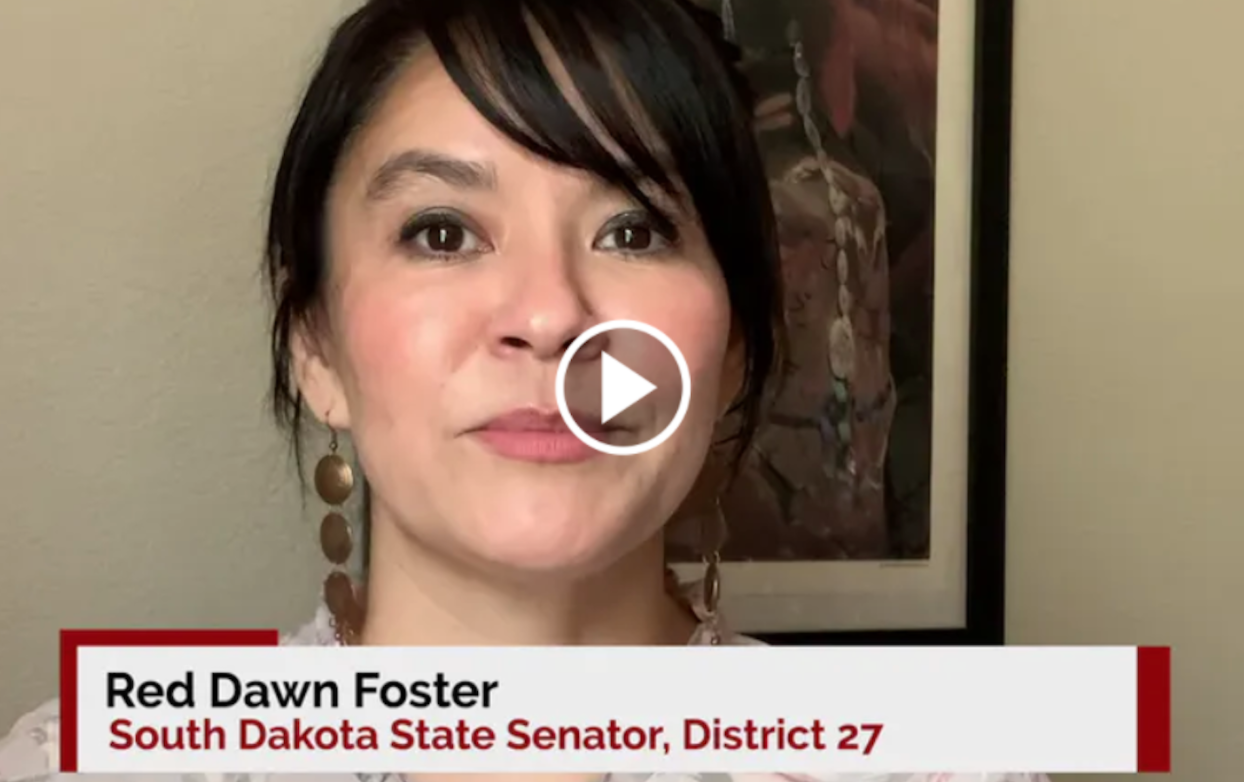
In our new video, South Dakota State Senator Red Dawn Foster joins me to talk about our showdowns with the Trump administration.

As you know, even when the virus hit South Dakota hard, Governor Kristi Noem failed to institute common sense protective policies. Then she challenged our tribes over the checkpoints, eventually calling on her friend, Donald Trump, for help. That help is arriving.

The Treasury Department has already bullied tribal nations by failing to disburse our CARES Act funds on time. Now, with the pandemic exploding across the Midwest, infecting around 100 people at Pine Ridge, and devastating the Navajo Nation, administration officials are threatening to withdraw our funding for law enforcement and replace our police force with feds if we don’t remove the checkpoints.

And this week, as we close in on Independence Day, President Trump plans to further desecrate our sacred Black Hills with a dangerous fireworks display, literally illuminating Mount Rushmore — the boldest monument there is to Native subjugation. What about our independence? What about our sovereignty? What about our right to live without tyranny in this “land of the free?”

Governor Noem even went out of her way to say there will be no requirements for masks or social distancing at the event, further jeopardizing South Dakota’s 72,000 Native Americans. So I promise you, we will remain vigilant here on the front lines. We will not remove our checkpoints. We will not stand aside or stand down. Will you stand with us?

Wopila tanka — Our sincere thanks for your friendship and your support,

Chase Iron Eyes
Lead Counsel
Via The Lakota People’s Law Project

P.S. Nothing is more important than protecting human lives. Please help by emailing the Treasury Department and the BIA: tell them, right now, to stop undermining our health, safety, and sovereignty. Thank you!

NCAI. org Resource

http://www.ncai.org/COVID-19

NCAI has an unwavering commitment to continue supporting Indian Country, no matter the challenges that stand in our way. Even during the coronavirus pandemic, we are advancing policies and protections that will serve us beyond the pandemic. In addition, we want to provide financial assistance where it’s needed the most. If you haven’t already, please visit our COVID-19 website at ncai.org/COVID-19. On the site under the “Get Involved” tab, you’ll find a link to apply for COVID-19 relief funding. This funding can be used as you see fit, to ensure you can respond to and recover from this pandemic. If your tribal nation or a non-profit organization in your community needs assistance, we encourage you to apply. This website also serves as a resource hub to stay informed on all legislative matters, news, events, and reliable health-related information, including COVID-19 statistics specific to Indian Country.
In addition, NCAI encourages tribal nations to remain active in the fight for racial equity. We frequently express our commitment by consistently partnering with a number of national partners, such as with the W.K. Kellogg Foundation, on the issues that matter most to communities of color. We also believe that public education and personal wellness are two additional components to consider. We encourage you to consider developing astrategy for building non-Native allies so that we can have a unified voice in our cries for justice. We also encourage you all to take a moment and check in with yourselves, your families, and your communities to create spaces for prayer and healing. The Native Wellness Institutehas an ongoing series of workshops, activities, and resources to get you started.
I call on you as leaders to come together and rise to the occasion. We must turn this crisis into an opportunity to shape the future for the next seven generations. We can do this together. Please do not hesitate to reach out to any of your NCAI Board representatives and NCAI staff members so we can learn more about how NCAI can best support you.
Siokwil,
Fawn R. Sharp (Quinault Indian Nation)
NCAI President


COVID-19 in Indian Country

https://indiancountrytoday.com/news/indian-country-s-covid-19-syllabus-EiN-p5Q-XkW-smnaebJV6Q

Indian Country Today COVID-19 tracker, data, story summaries, lists of closures, resources
Indian Country Today

COVID Tracker - June 10, 2020

As of June 10, 2020 11:45 am EDT in the Indian health system (spreadsheet).

space

Confirmed by tribes, tribal health clinics, urban Indian programs, the Indian Health Service, state public health agencies or the Centers for Disease Control and Prevention

Indian Country Today needs your help to gather positive COVID-19 cases and deaths related to COVID-19 in your tribal community.

Let us know if there are any confirmed positive COVID-19 cases or deaths related to COVID-19 in your tribal nation or announced by your tribal nation. Submit the case(s) in the Google Form above.

space
c19T-Headline-CDC (1)

Total cases: 1,256,421
Total deaths: 110,925

As of June 10, 2020 at 12:45pm EDT

c19T-Headline-Worldwide (1)

Total cases confirmed: 7,145,539
Deaths: 408,025
Countries: 216

As of June 10, 2020 at 12:45pm EDT
 by the World Health Organization

space
c19T-Headline-Button-Related-Stories
Spacer BIG
c19T-Headline-Button-Opinion
space

Explanation stories

Coronavirus. A person watches live data reporting the worldwide spread of Coronavirus as the UK continues in lockdown. Picture date: Monday March 30, 2020. A total of 1,228 patients are reported to have died after testing positive for coronavirus in the UK. See PA story HEALTH Coronavirus. Photo credit should read: Peter Byrne/PA Wire URN:53238940 (Press Association via AP Images)
(Press Association via AP Images)

The power of data to predict where the coronavirus will hit next

Just like a massive evacuation can save lives in a Category 4 hurricane, social distancing and shuttered workplaces can slow the rate at which the virus spreads.

China or Italy? A stark contrast on the coronavirus front
Thursday was a day of contrasts on the front lines of the battle against the new coronavirus. In a sign of hope, the Chinese city of Wuhan reported no new homegrown infections, but in a stark warning for the world, Italy appeared set to surpass China’s death toll from the virus.

The two milestones were a dramatic illustration of how much the global outbreak has pivoted toward Europe and the United States. They also showed how the arc of contagion can vary in different nations, as Italy with 60 million people braces to see more carnage than China, a nation of 1.4 billion.

The science: How coronavirus spreads from person to person
Each infected person spreads to two or three others on average, researchers estimate. It spreads more easily than flu but less than measles, tuberculosis or some other respiratory diseases

Coronavirus Q&A: What is it? The symptoms. And how it spreads
An explainer of every frequently asked question in relation to COVID-19.

c19T-Headline-Resource-Center

Are you a Native student whose college or university has been closed or switched to online classes? Visit this spreadsheet for resources involving technology in Native communities. It is updated by San Juan College’s Native American Center.

Telemedicine

https://indiancountrytoday.com/news/pandemic-broadens-use-of-telemedicine-in-indian-country-and-beyond-BJbQHsMWp0i-LpADXGuRiQ?utm_source=maven-coalition&utm_medium=salish&utm_campaign=email&utm_term=notification&utm_content=unread-notification


https _images.saymedia-content.com_.image_MTcyNDAwOTY1OTc3MTIyMzA0_anthc_telehealth1

‘It’s going to be a very integral part of how we move forward with medicine’

Joaqlin Estus

Indian Country Today

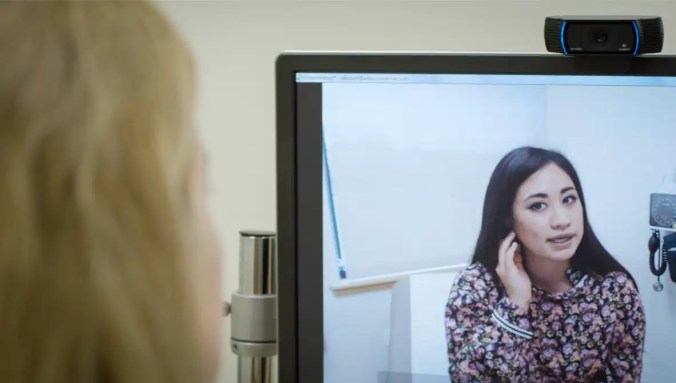
The COVID-19 pandemic has prompted countless changes. One that’s likely to stick is the more common use of telecommunications in the health field.

Both telemedicine, or the delivery of clinical care by telephone or the internet; and telehealth, which includes training, education and other communications; already play a bigger role than before the pandemic.

“In our practice, we never used telehealth before two months ago, and now I feel like I’m almost a mini expert in telehealth,” said Dr. Joseph Bell, Lummi, a pediatrician with the Spartanburg Regional Medical Center in South Carolina.

COVID-19 in Indian Country

https://indiancountrytoday.com/news/indian-country-s-covid-19-syllabus-EiN-p5Q-XkW-smnaebJV6Q

Indian Country’s COVID-19 SyllabusIndian Country COVId

https://docs.google.com/forms/d/e/1FAIpQLSeYNYZAte-CmyBa31qWk7Fc1M3q0LNk0FzGHdMPN9BvBOAIeQ/viewform

COVID-19 Cases in Indian Country
Indian Country Today needs your help to gather positive COVID-19 cases and deaths related to COVID-19 in your tribal community.

INSTRUCTIONS: Let us know if there are any confirmed positive COVID-19 cases or deaths related to COVID-19 in your tribal nation or announced by your tribal nation. Please fill out this Google Form as complete as you can. Once we receive your response, we follow up with the tribal or health official to confirm the cases.

Take a look at Indian Country’s COVID-19 syllabus where you can find the COVID-19 tracker, stories, roundtables, op-eds and more: https://indiancountrytoday.com/news/indian-country-s-covid-19-syllabus-EiN-p5Q-XkW-smnaebJV6Q.

Continued Vigilance Needed

https://teespring.com/stores/gallery-no8

Greetings again from Bear Soldier District on Standing Rock Nation. I thank you for your dedicated action on behalf of the people here. You’ve sent almost 13,000 emails to the nearly all-white McLaughlin City Council and the town’s mayor telling them to suspend utility shut-offs during the COVID-19 pandemic. And more than one of you made anonymous donations to my son’s family, making it possible for him, his wife, and my grandchildren to return to their home. That’s huge. We know the city is feeling the pressure.

Unfortunately, their reaction has been to circle the wagons. Knowing that increased Native representation at City Hall could make all the difference in fair treatment of the town’s tribal people, they are resorting to what we believe are brazenly illegal means to make sure that doesn’t happen.

Here’s what I mean: a mayoral election is coming up on June 9, and my nephew, Hoksila White Mountain, is a promising candidate. A recent graduate of Sitting Bull College with a BA in social work, Hoksila has life experience and growing support from our Native community. He has already been working hard to remedy the utility shut-off problem.

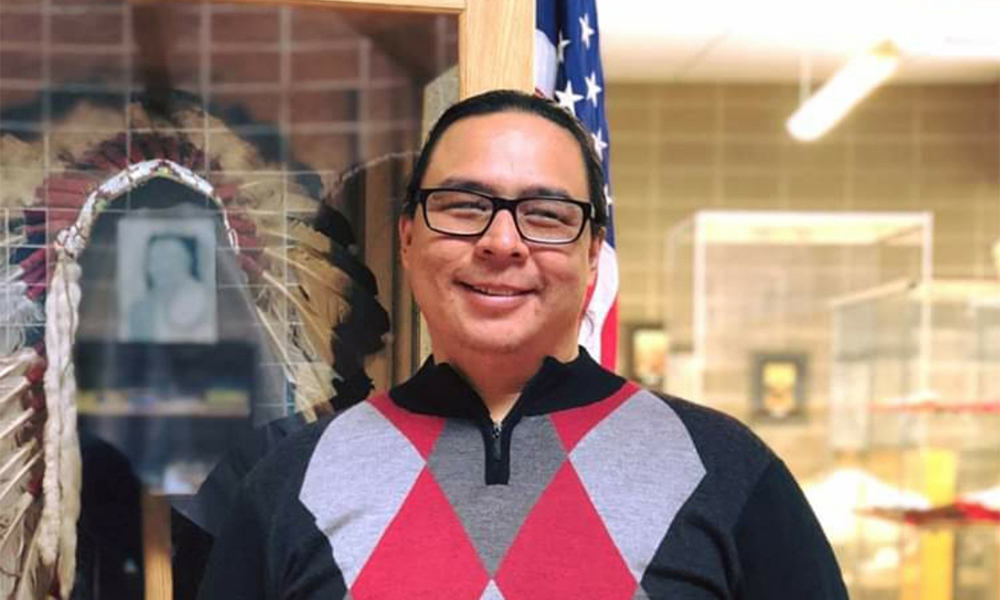
Hoksila White Mountain
Hoksila White Mountain is being blocked from running for mayor by McLaughlin City Hall.

But now, City Hall has struck him from the ballot. They say they heard through the grapevine he didn’t follow a provincial law requiring him to collect petition signatures himself to enter the race. In fact, he did two separate rounds of signature gathering specifically to meet the standard. Our research tells us he followed all the rules, and yet he was still removed.

Thankfully, our partnership with the Lakota People’s Law project — and with you — could make all the difference. If necessary, the Lakota Law team will take legal action to get Hoksila back into the election.

Please stay tuned, because we’re also investigating which state and/or federal agencies can provide oversight — and we will share an opportunity soon to contact those agencies directly. Together, we are on the verge of creating significant change here in Bear Soldier. With your continued pressure, we’ll ensure that Native people can run for elected office anywhere at Standing Rock.

Wopila tanka — Thank you for helping us change lives for the better!

Robert White Mountain
via the Lakota People’s Law Project

Virus Outbreak at Pine Ridge

I write with unfortunate news: we’re now dealing with an outbreak of the novel coronavirus at Pine Ridge. We’re up to at least five positive tests here, a rapidly growing number that has forced a 72-hour lockdown.

This demonstrates why it’s absolutely critical that many of you have taken the time to tell South Dakota Governor Kristi Noem not to challenge our COVID-19 checkpoints. Fortunately, your pressure is working. You sent more than 15,000 emails to the governor, and she flinched — failing to follow through on her 48-hour legal deadline.

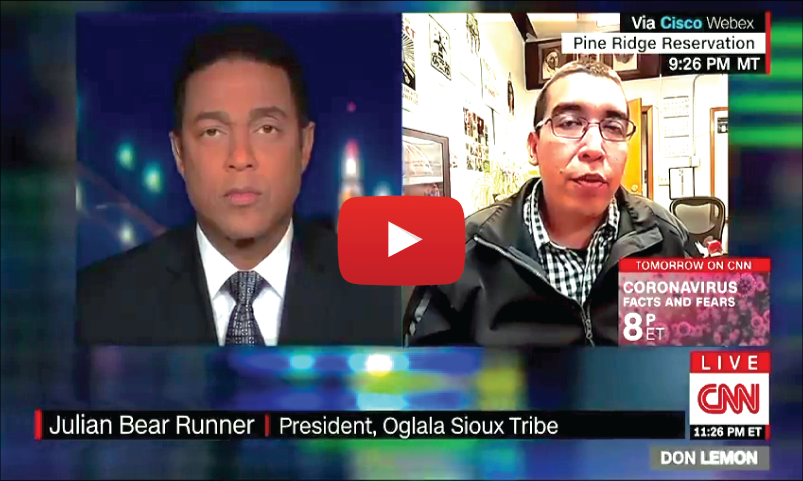
As Oglala Sioux Tribe President Julian Bear Runner’s spokesperson and public relations director, protecting the people of this nation and sharing our stories are my sacred duties. I’m proud of the powerful conversation my president had last night with Don Lemon on CNN. Please watch and share it. We must continue to win the public education battle.

Lakota Law

This outbreak is yet another demonstration of Governor Noem’s statewide policy failure with COVID-19. This is why we’ve taken matters into our own hands. We are so obviously on the right side of this that 17 state lawmakers, including a Republican, have penned an open letter to the governor in support of us. Even Fox News is having a hard time spinning this one in the governor’s favor.

I thank you, with all of my heart, for listening and acting in friendship with my relatives. If we stand our ground and keep the conversation going, we will prevail — over ignorance in our state capitol and over this pandemic.

Wopila — my sincere thanks for your attention,

Chase Iron Eyes
Lead Counsel
The Lakota People’s Law Project