Yesterday, led by our grandmothers, we took the Line 3 pipeline resistance directly to the Minnesota State Capitol in St. Paul. Emblematic of the deepening solidarity among tribal nations, a caravan of 20 Standing Rock citizens, assisted by the Lakota People’s Law Project, joined us for our “Treaties not Tar Sands” rally.
An impressive lineup of BIPOC speakers and Minnesota state officials, headlined by White Earth Nation’s Winona LaDuke, addressed more than 2,000 people who showed up to call out Enbridge’s toxic tar sands oil pipeline. Toward the end of the day, we at Camp Migizi took our turn at the microphone. Five Lakota People came onstage with us to acknowledge the importance of resisting pipelines together — and they should know, since they were all at Standing Rock in 2016 and ‘17 during the NoDAPL movement.
Among the more heartfelt and timely messages imparted by our Lakota relatives was a call for unity from elder Sonny Wonase. I invite you to watch highlights from both my talk and his.
Police presence was as strong as ever, including a fence meant to wall state officials off from our prayerful ceremony and pleas for justice. As you can probably guess, that didn’t deter water protectors. At the end of the rally, my fellow organizers read a statement of demands criticizing Governor Tim Walz’s support of the pipeline and militarized response. We also continued to call on President Joe Biden to intervene.
Until we’re heard and acknowledged, we will not be silent. We will not stop taking direct action to end this invasion of our sacred lands and protect our water and manoomin (wild rice). We are carrying forward the tradition of Indigenous activism begun by the American Indian Movement in the 1960s and renewed at Standing Rock five years ago. I express my gratitude to Standing Rock for standing with us now — and to you for holding space with us and Mother Earth. If we come together across our traditional boundaries, if we act with a unified voice and spirit, we can win this fight.
Miigwech — thank you for your support! Taysha Martinaeu Camp Migizi Via the Lakota People’s Law Project
At Standing Rock in 2016, water protectors were labeled as domestic terrorists. I created this short video to counter that claim. We are just the common people out here defending our rights and our lives. The government is supposed to work FOR US. The corporations are business entities that are supposed to be producing things FOR US.
Today, water protectors from Standing Rock are still being prosecuted, and — in the troubling cases of Ruby Montoya and Jessica Reznicek — they’re still being labeled as terrorists. Because we cannot allow this dangerous precedent to be used against more people who care for our Grandmother Earth, we’re going to help defend Ruby. Our struggle against the Dakota Access pipeline (DAPL) didn’t end at Standing Rock in 2017, and it won’t be over until every water protector in the crosshairs of the criminal justice system is liberated.
In 2017, Ruby and Jessica engaged in a direct action that damaged an empty section of DAPL’s pipe. Jessica was recently found guilty, given a “terrorism enhancement,” and sentenced to eight years in prison. Ruby’s fate now hangs in the balance as her trial approaches. With litigation support from Lakota Law and the National Lawyers Guild, Ruby is going to fight. Her next hearing is scheduled for Wednesday, Sept. 1.
As Ruby says in this new video produced by our team, humanity is going through a reckoning. In the future, no one will fondly remember the names of corporations that represented the status quo; instead, many people will only wish they had fought harder to protect life on this planet. Nobody who takes a stand to stop extractive destruction should ever be charged with a felony, much less be labeled a terrorist.
Ruby told me that Jessica has never even held a weapon in her hands, and at one point she was considering entering a monastery. And Ruby is a Waldorf School teacher, who vividly remembers kids in her classes crying and losing sleep because Australia and the Amazon were on fire. Ruby’s resistance, like my own back in 2017 that earned me a felony charge, has been motivated only by a desire to give the next generations a destiny they can believe in.
Nothing any of us did comes close to a level of governmental coercion necessary to justify a terrorism enhancement. It’s fallacious to suggest we have that type of power. If the government is being coerced by anyone, it’s the fossil fuel barons who buy politicians to protect their profits. Ruby was invited by an Indigenous community to protect water and help safeguard sacred lands. She showed up. Now, we will have her back, just like she had ours. Please stay tuned as we continue to fight to prevent a grave miscarriage of justice.
Wopila tanka — thank you for standing for justice! Chase iron Eyes Co-Director and Lead Counsel via the Lakota People’s Law Project
It’s all about strategy and timing in Indian Country, especially in the legal system.
Shortly after a groundbreaking lawsuit was filed in the White Earth Nation’s tribal court defending the rights of wild rice to fight the construction of Enbridge’s Line 3 pipeline, the United Nations released its 6th Assessment on Climate Change.
The UN report includes an entire chapter dedicated to the powerful role that Indigenous knowledge can play in global development of adaptation and mitigation strategies aimed at addressing climate change.
According to the report, recognition of Indigenous rights, governance systems and laws are central to creating effective adaptation and sustainable development strategies that can save humanity from the impacts of climate change. In this first of three climate change reports, the working group focused primarily on physical science, providing evidence that a climate crisis caused mostly by human activities is upon us.
Boom. The report’s release created the perfect public moment to exert tribal sovereignty and advance the legal theory that nature itself, in this case wild rice, has the right to exist and flourish even in the face of the construction of a massive infrastructure transporting fossil fuel.
The so-called “rights of nature” argument recognizes that nature has rights just as human beings have rights; rather than treating nature as property under the law, rights of nature cases contend that nature, rivers, forests and ecosystems have the right to exist, flourish, maintain and regenerate their life cycles. Further, humans have a legal responsibility to enforce those rights.
According to the Global Alliance for the Rights of Nature, Indigenous cultures recognize the rights of nature as part of their traditions of living in harmony and recognition that all life is connected.
For Ojibwe, wild rice or manoomin, “good berry” in the Ojibwe language, is like a member of the family, a relative. Manoomin is more than food, it is a conveyor of culture, spirituality and tradition. Therefore, legally designating manoomin as a person in the White Earth Nation’s lawsuit against the Minnesota Department of Natural Resources aligns with the Ojibwe world view.
Manoomin is considered an indicator species; it is sensitive to changes in water levels and flow reflecting changes in the local climate. The Minnesota Department of Natural Resources reports that the 2021 wild rice harvest in the state’s waterways should be average this year but that low water levels caused by drought will make access difficult. Rice is harvested from a canoe.
Frank Bibeau, attorney for and citizen of the White Earth Nation, blames the Enbridge pipeline construction for exacerbating the lower water levels in neighboring rivers.
Frank Bibeau, citizen of and attorney for the White Earth Nation discusses his legal strategy at gathering at the Shell City campground in Wadena County, Minnesota, June 2021. (Photo by Mary Annette Pember)
“We are seeing rivers along Line 3 that are now essentially dry bottoms with rice growing out of the mud. We can’t get our canoes in to harvest,” he said.
On Aug. 6, manoomin was named as a plaintiff, along with several White Earth tribal citizens and Native and non-Native water protectors who have demonstrated against Line 3, in a complaint filed in White Earth Nation Tribal Court against the Minnesota Department of Natural Resources.
It is only the second “rights of nature” case to be filed in the U.S. and the first to be filed in tribal court. Several tribes, however, have incorporated rights of nature into their laws.
The lawsuit accuses the department of failing to protect the state’s fresh water by allowing Enbridge to pump up to 5 billion gallons of groundwater from construction trenches during a drought that itself is tied to climate change, which increases the pace of extreme weather swings and contributes to lags in the jet stream that keep heat waves, cold snaps and rain in an area for longer periods.
The suit also claims that the department has violated not only the rights of manoomin but also treaty rights for those who hunt, fish and gather wild rice off-reservations in ceded lands. The lawsuit seeks to establish the rights of manoomin, stop the extreme water pumping by Enbridge and stop arrests of water protectors opposing the pipeline at construction sites.
Juli Kellner, communications specialist for Enbridge, wrote an email responding to Indian Country Today’s request for the company’s reaction to the lawsuit.
“Line 3 construction permits include conditions that specifically protect wild rice waters. As a matter of fact, Enbridge pipelines have coexisted with Minnesota’s most sacred and productive wild rice stands for over seven decades,” she said.
“The current drought conditions in Minnesota are concerning to everyone. In response, the Minnesota Department of Natural Resources has suspended the use of some water sources due to low flow in specific watersheds. We are focused on protecting, conserving and reusing water on the Line 3 project. More than 50 percent of pipeline sections being tested on Line 3 by reusing water. We continue to work with agencies on next steps during these drought conditions.
“Enbridge has demonstrated ongoing respect for tribal sovereignty,” she wrote.
Department of Nature Resources spokesperson Gail Nosek said the agency is reviewing the lawsuit and had no comment.
‘Gaining traction’
Exerting tribal sovereignty by filing the lawsuit in tribal court rather than in state or federal court and advancing the legal theory of the rights of nature are unique, according to legal scholars.
“The rights of nature is quickly gaining traction in American legal law,” said Elizabeth Kronk Warner, dean of S.J. Quinney College of Law at the University of Utah. Warner is a citizen of the Sault Ste. Marie Tribe of Chippewa Indians.
“It’s already established in some other countries; the rights of nature is definitely a burgeoning area of law and I think we’ll continue to see it develop,” Warner said.
Courts in Bolivia, Columbia, Ecuador, India and New Zealand have litigated cases based on rights of nature.
The first “rights of nature” case filed in the U.S. came in April in Orange County, Florida, when the state’s waterways filed suit against a housing developer and the Florida Department of Environmental Protection. The suit says that a proposed residential development will destroy acres of wetlands.
But tribal courts have no authority to order the Minnesota Department of Natural Resources to rescind its water permit to Enbridge, according to Matthew Fletcher, a citizen of the Grand Traverse Band of Ottawa and Chippewa Indians and a law professor who is director of the Indigenous Law and Policy Center.
Fletcher agrees, however, that establishing the rights of manoomin as a legal entity in tribal court is a sound strategy.
“Those rights likely would not be recognized on their own in state or federal court; this suit may be a valuable exercise,” Fletcher said.
Attorneys chose to file the suit in White Earth’s tribal court as a means to quickly get the case heard in federal court. Tribal court civil cases involving non-Natives are permitted by consent of the defendant.
Legal scholars say that in this case, the state government would typically seek to have the case removed to the federal courts.
Bibeau said that the Minnesota Department of Natural Resources has already asked to file a motion to dismiss for lack of jurisdiction in the case. Although states and their agencies have their own sovereign immunity from lawsuits, Bibeau thinks that the department won’t be able to dodge the suit even if federal courts return the case to tribal court. The key is asking for a declaratory judgment and injunctive relief rather than monetary damages.
“I don’t think the state has immunity from declaratory judgment,” Bibeau said.
A declaratory judgment declares the rights of the plaintiff without any specific action or award for damages. Injunctive relief restrains a party from engaging in certain actions or requires them to do the actions in a certain way.
“I think that declaratory relief is within the boundaries of tribal court,” Bibeau said.
After the tribal court issues its order, regardless of the state’s participation, it will have created case law to which the federal court can refer when deciding to hear the case or return it to tribal court.
Manoomin or wild rice is more than food for Ojibwe; it conveys culture and tradition. 2020. (Photo by Mary Annette Pember)
“I don’t think anybody has tried to sue a state from a tribal court but I don’t think there’s any federal statute against it,” Bibeau said.
“They (the DNR) won’t be able to stop the tribal court order. When we go to federal court based on the simplicity of water and wild rice, we can go a long way because we already have those rights as a sovereign nation,” he said.
Either scenario, according to Bibeau, is a win for plaintiffs.
Looking ahead
Bibeau’s legal strategy, however, is not without pitfalls.
Treaties signed between the Ojibwe and the federal government in 1837 and 1854 guaranteed tribes the right to hunt, fish and gather on ceded lands. The 1855 treaty or Treaty of Washington, however, conspicuously lacks language spelling out this right. The bulk of the Line 3 pipeline runs through 1855 treaty lands.
In 2019, the Minnesota Court of Appeals ruled in favor of the state regarding 1855 treaty rights to hunt, fish and gather on ceded lands. Two Ojibwe men were cited by the state for illegally taking fish from Gull Lake located on off-reservation lands in the 1855 Treaty area. One judge, however, offered a dissenting opinion in the case saying that rights apply to treaties as the Indians at the time would have understood them.
Bibeau represented one of the defendants in this case. “There is nothing in the 1855 Treaty that relinquished rights to hunt, fish and gather on ceded lands,” Bibeau said.
This is known as the reserved rights doctrine; treaties describe the specific rights tribes gave up, not those they retain. In many cases, the federal court has interpreted treaties using the reserved rights doctrine.
The elements of White Earth’s lawsuit that depend on rights to hunt, fish and gather on ceded lands within the 1855 Treaty area are contingent on these rights being affirmed. For instance, plaintiffs claim that the state deprived them of their civil rights by charging them with trespass and other crimes as they protested Line 3 construction; they argue that they were lawfully engaged in exercising their treaty rights.
Minnesota treaty map. Courtesy Mitchell Hamline School of Law
Establishing that the 1855 treaty should be interpreted to include hunting, fishing and gathering rights on ceded lands could be a challenge, according to treaty scholars. At least one scholar, who preferred to be quoted anonymously, cautioned that each treaty is different.
Although Warner agreed that establishing treaty rights in this case might not be an easy argument, it would be consistent with existing Indian treaty law.
“Tribes have been having a lot of success in the current Supreme Court; all of the cases relying on treaty rights have been successful,” Warner said.
She pointed to the McGirt case in Oklahoma and the Boldt decision in Washington.
Most of these decisions have been led by Supreme Court Justice Neil Gorsuch. Although considered a conservative, Gorsuch has demonstrated a keen understanding and appreciation of tribal sovereignty and treaty rights expressing respect for the reserved rights doctrine. During his tenure, Gorsuch has ruled in favor of important treaty rights cases such as Herrera v. Wyoming, rejecting past theories of state sovereignty and Washington State Department of Licensing v. Cougar Den affirming the state’s obligations to tribes. Gorsuch served as federal judge on the 10th U.S. Circuit Court of Appeals where he gained extensive experience in Indian law.
“The interesting thing would be if White Earth’s right to nature claim could be incorporated into or run parallel to a treaty right,” Warner said.
The release of the UN’s climate report alongside White Earth’s lawsuit could be auspicious for both treaty rights claims and the rights of nature, according to Warner.
“The urgency of the UN findings make this litigation and advocacy work so much more important now because we literally have a window of time in which to make changes,” Warner said.
Our stories are worth telling. Our stories are worth sharing. Our stories are worth your support. Contribute $5 or $10 contribution today to help Indian Country Today carry out its critical mission. Sign up for ICT’s free newsletter.
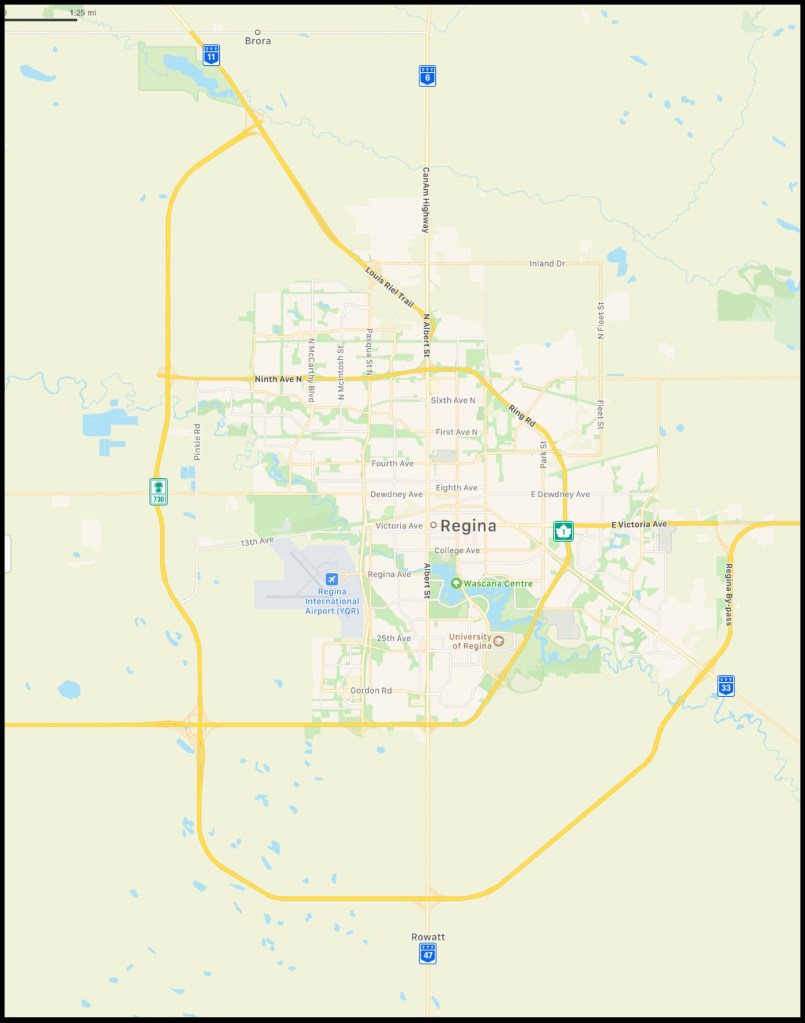
REGINA, Saskatchewan (AP) — A First Nation in southern Saskatchewan said Wednesday that it has discovered hundreds of unmarked graves at the site of another former residential school for Indigenous children.
A statement from the Cowessess First Nation and the Federation of Sovereign Indigenous First Nations, which represents Saskatchewan’s First Nations, said that “the number of unmarked graves will be the most significantly substantial to date in Canada.”
Last month the remains of 215 children, some as young as 3 years old, were found buried on the site of what was once Canada’s largest Indigenous residential school near Kamloops, British Columbia.
Cowessess Chief Cadmus Delorme and Chief Bobby Cameron of the federation planned to hold a news conference Thursday to provide more details about the new find at the Marieval Indian Residential School, which operated from 1899 to 1997 where Cowessess is now located, about 87 miles east of Regina, the capital of Saskatchewan.
From the 19th century until the 1970s, more than 150,000 First Nations children were required to attend state-funded Christian schools as part of a program to assimilate them into Canadian society. They were forced to convert to Christianity and not allowed to speak their native languages. Many were beaten and verbally abused, and up to 6,000 are said to have died.
The Canadian government apologized in Parliament in 2008 and admitted that physical and sexual abuse in the schools was rampant. Many students recall being beaten for speaking their native languages; they also lost touch with their parents and customs.
Indigenous leaders have cited that legacy of abuse and isolation as the root cause of epidemic rates of alcoholism and drug addiction on reservations.
I have two pieces of wonderful news to share with you! As of yesterday, TC Energy at last canceled all remaining plans for the Keystone XL pipeline (KXL). The Zombie Pipeline is finally completely dead! At the same time, I was able to negotiate a deal with the South Dakota state’s attorney and avoid jail time for my KXL protest last year.
It was a good day not just for me, personally, but for all water protectors. This shows that — even as many states around the country continue to pass laws criminalizing protest — the people still have power. Our activism can make a real difference. As my fellow Cheyenne River protester, Oscar High Elk, said yesterday, “Respect our existence, or expect our resistance.”
Of course, as you know, our resistance still has much left to accomplish. I’m grateful that KXL’s immediate threats to our land and water are gone, along with the dangers its mancamps presented to Indigenous women and girls in Lakota Country. But Dakota Access still operates — without a legal permit — and Line 3 presents the same peril to the homelands of our Anishinaabe sisters and brothers in Minnesota.
Now, it’s time to #StopLine3 and continue our #NoDAPL fight. The cards are always stacked against us, but we have shown time and time again our resilience, the power of our movement, and our ability to triumph against the greatest odds.
Just this week, hundreds gathered at a pump station near the headwaters of the Mississippi River in Minnesota, led by my sisters in arms, for the largest Line 3 protest yet. Reports tell us that a Department of Homeland Security helicopter harassed them, kicking up dust and gravel in an attempt to deter my relatives. It didn’t work. More than 100 were arrested, and we aren’t done yet. Like Lakota Law’s team, I’m considering ways I can best support this movement going forward. Because — take it from me — we can win!
Wopila — I’m very grateful for your solidarity with our resistance. Jasilyn Charger via the Lakota People’s Law Project
The Keystone XL pipeline project is officially terminated, the sponsor company announced Wednesday.
Calgary-based TC Energy is pulling the plug on the project after Canadian officials failed to persuade President Joe Biden to reverse his cancellation of its permit on the day he took office.
The company said it would work with government agencies “to ensure a safe termination of and exit from” the partially built line, which was to transport crude from the oil sand fields of western Canada to Steele City, Nebraska.
“Through the process, we developed meaningful Indigenous equity opportunities and a first-of-its-kind, industry leading plan to operate the pipeline with net-zero emissions throughout its lifecycle,” said François Poirier, TC Energy’s president and chief executive officer in a statement.
The pipeline has been front and center of the fight against climate change, especially in Indigenous communities. Native people have been speaking out, organizing, and in opposition of the project for several years.
“OMG! It’s official,” Dallas Goldtooth, Mdewakanton Dakota and Diné, wrote on Twitter regarding Keystone XL’s termination. “We took on a multi-billion dollar corporation and we won!!”
Goldtooth is part of the Indigenous Environmental Network. The network said it has been organizing for more than 10 years against the pipeline.
“We are dancing in our hearts because of this victory!” wrote the network in a statement. “From Dene territories in Northern Alberta to Indigenous lands along the Gulf of Mexico, we stood hand-in-hand to protect the next seven generations of life, the water and our communities from this dirty tar sands pipeline. And that struggle is vindicated. This is not the end – but merely the beginning of further victories.”
The network noted that water protector Oscar High Elk still faces charges for standing against Keystone.
Construction on the 1,200-mile pipeline began last year when former President Donald Trump revived the long-delayed project after it had stalled under the Obama administration.
It would have moved up to 830,000 barrels of crude daily, connecting in Nebraska to other pipelines that feed oil refineries on the U.S. Gulf Coast.
Biden canceled it in January over long standing concerns that burning oil sands crude would make climate change worse.
In this Feb. 18, 2020, photo, a protester plays a drum and sings while joined by others opposing the Keystone XL Pipeline at the South Dakota Capitol. (AP Photo/Stephen Groves, File)
Canadian Prime Minister Justin Trudeau had objected to the move, although officials in Alberta, where the line originated, expressed disappointment in recent weeks that Trudeau didn’t push Biden harder to reinstate the pipeline’s permit.
Alberta invested more than $1 billion in the project last year, kick-starting construction that had stalled amid determined opposition to the line from environmentalists and Native American tribes along its route.
Alberta officials said Wednesday they reached an agreement with TC Energy, formerly known as TransCanada, to exit their partnership. The company and province plan to try to recoup the government’s investment, although neither offered any immediate details on how that would happen.
“We remain disappointed and frustrated with the circumstances surrounding the Keystone XL project, including the cancellation of the presidential permit for the pipeline’s border crossing,” Alberta Premier Jason Kenney said in a statement.
The province had hoped the pipeline would spur increased development in the oil sands and bring tens of billions of dollars in royalties over decades.
Attorneys general from 21 states had sued to overturn Biden’s cancellation of the pipeline, which would have created thousands of construction jobs. Republicans in Congress have made the cancellation a frequent talking point in their criticism of the administration, and even some moderate Senate Democrats including Montana’s Jon Tester and West Virginia’s Joe Manchin had urged Biden to reconsider.
Tester said in a statement Wednesday that he was disappointed in the project’s demise, but made no mention of Biden.
Wyoming Sen. John Barrasso, the top Republican on the Senate energy committee, was more direct: “President Biden killed the Keystone XL Pipeline and with it, thousands of good-paying American jobs.”
A White House spokesperson did not immediately respond to a request for comment on TC Energy’s announcement.
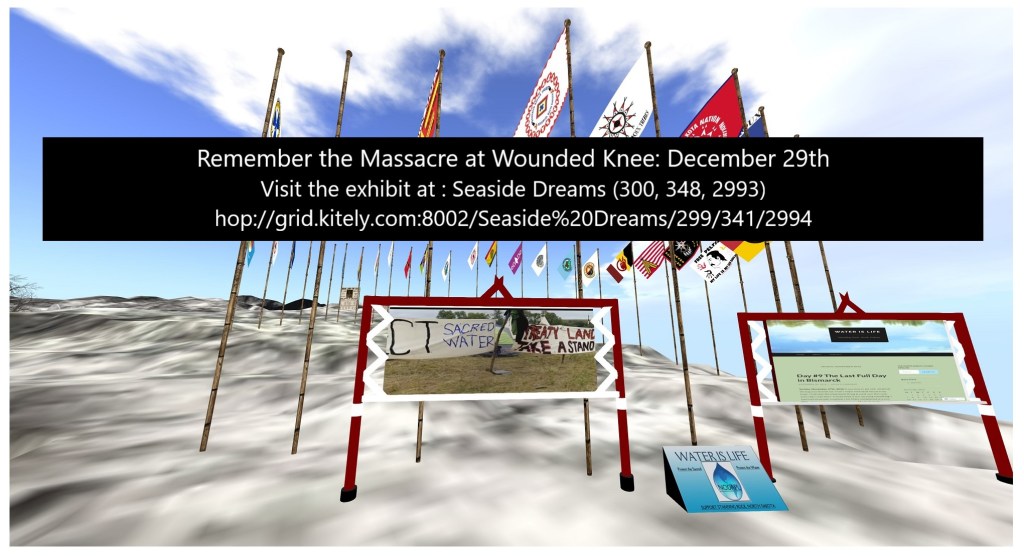
I would like to share that tomorrow Dec. 29th is the anniversary of the Wounded Knee Massacre, please visit the memorial at Kitely: grid.kitely.com:8002:Seaside Dreams
When you enter the world at the dock you will now find a teleporter to Wounded Knee, South Dakota. This is a memorial of the massacre that occurred December 29th, 1890 and the information that I gather connects with the current news about the struggles of the First Nation. From Uranium mining poisoning the water on Navajo land to the leaking oil pipelines in Standing Rock to climate change literally melting the permafrost in Alaska. What we are witnessing are human rights violations and environmental racism. We cannot change what we do not know, so the memorial will bring this knowledge to the virtual world.
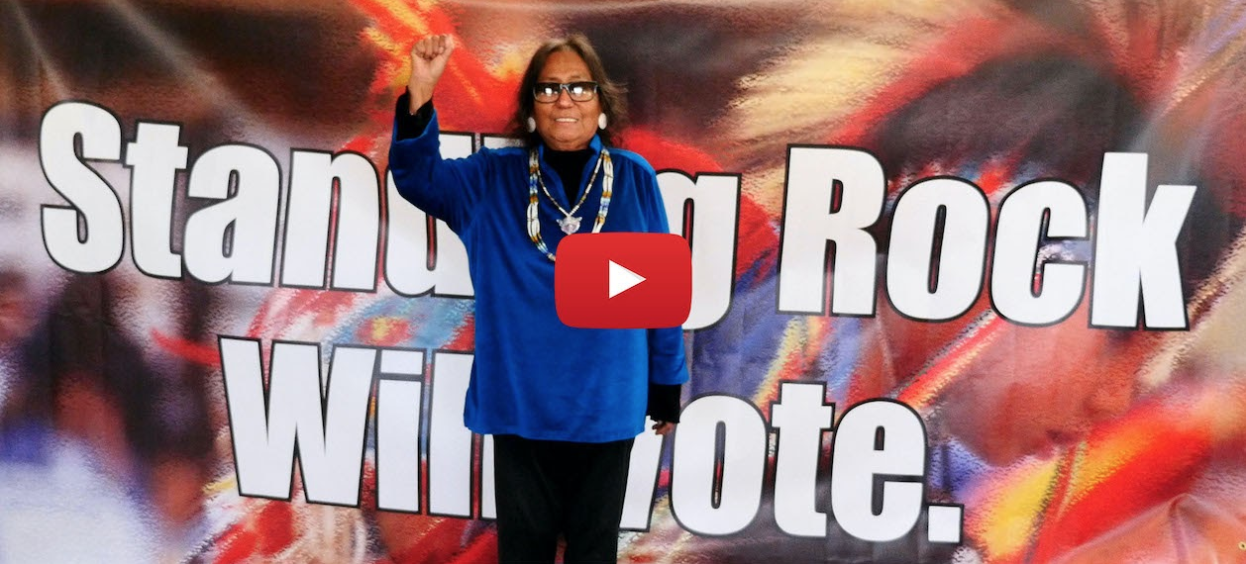
Voting rights are under attack across America. President Trump’s threat to withhold funding from the U.S. Postal Service is just the latest attempt to limit our power by blocking free and fair elections. Of course, to Native people like me, this is nothing new. That’s why, two weeks ago, the Standing Rock Sioux Tribe voted unanimously to team up with the Lakota People’s Law Project, Sen. Tom Udall (D-N.M.), and U.S. House Assistant Speaker Ben Ray Luján (D-N.M.) to make sure Congress passes the Native American Voting Rights Act (NAVRA) as soon as possible.
We Standing Rocked the Vote in 2018, and now, with your help, we’ll pass NAVRA and ensure fair elections are held throughout all of Indian Country.
You likely recall that, in 2018, North Dakota passed a voter ID law specifically aimed at disenfranchising Native citizens without street addresses. I remain grateful that you leapt into action at that time, helping us Standing Rock the Vote. Together, we put 100 tribal volunteers on the street, printed 800 new IDs, and doubled turnout over the prior midterm.
But other Indigenous communities around the U.S. aren’t so fortunate. Many face significant hurdles, such as remote or difficult-to-reach polling locations, language barriers, and no vote-by-mail option. NAVRA will address these concerns and more.
I also want you to know that we’re just getting started. We intend to engage the members of the Great Plains Tribal Chairmen’s Association — the leaders of 16 tribes throughout North and South Dakota and Nebraska. We’ll also organize with tribal nations around the country to gain bipartisan support, and we’ll train a group of ambassadors from Standing Rock to phonebank and turn out the national Native vote, come election time. The tribe has also requested a congressional hearing.
Voter suppression within communities of color must end, right now. We have the opportunity to make a tremendous difference — not just for folks on reservations, but for the future of our nation. Please join us in what could be the most important action we’ve ever undertaken together.
Wopila tanka — my thanks for standing with Native voters!
Phyllis Young
Standing Rock Organizer
The Lakota People’s Law Project
Someone out there in the great E-universe, how can I match up this company and their technology with the Navajo nation that so desperately needs a green source of clean water? https://air2watersolutions.com/about-us/
Today contacted the company.
Tomorrow begin a GoFundMe page.
Wednesday begin calling around for assistance to make something happen.
It appears that we’re in for a long, hot summer. People are rising up. Colonizer statues and racist mascots are coming down. And finally, winds of change are making their way to the D.C. courts. As you know, a federal judge ordered the Dakota Access pipeline (DAPL) shut down by Aug. 5, pending environmental review.
Unfortunately, a D.C. court of appeals has granted DAPL operators short term, temporary relief on that order, extending the deadline for the pipeline to be emptied. The verdict, though, maintains the authority to halt operations at any time. In the interim, we’re releasing footage from our Chase Iron Eyes trial archive to illustrate what makes DAPL so dangerous in the first place and why we must keep pushing for it to be shut down for good. You can take a look at our new video about DAPL’s deficient leak detection system, and we hope you will watch and share it with your networks.
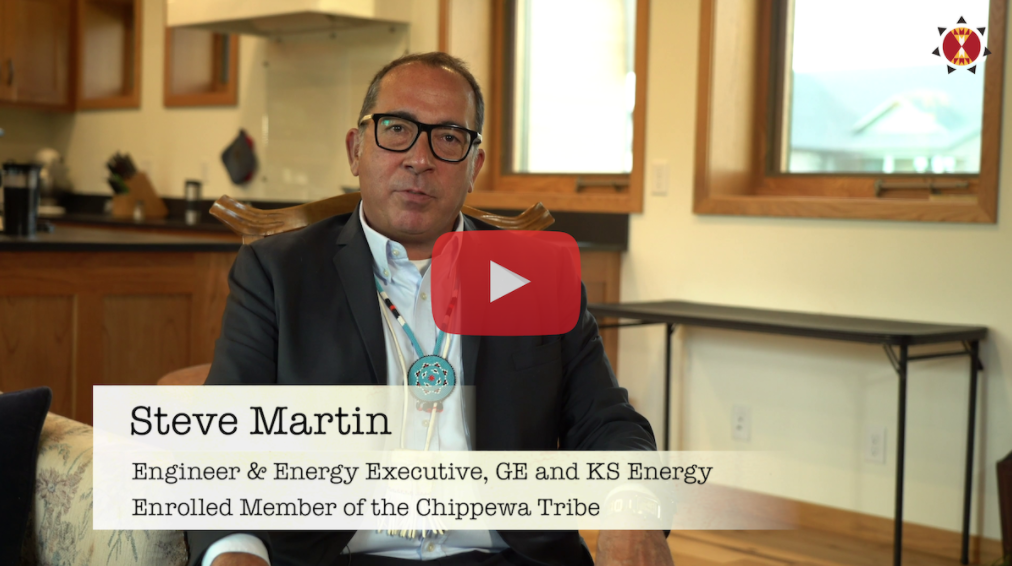
Energy expert Steve Martin of the Chippewa Nation and attorney Peter Capossela explain the constant risks posed by Dakota Access.
Getting down to brass tacks, DAPL’s leak detection system is criminally inadequate. Actually, at the most critical area of stress for the existing pipeline, there isn’t even a detection apparatus in place. So, if and when DAPL springs a leak, oil could seep into the groundwater and rise to the surface before pipeline officials or local residents have any idea something is wrong.
A leak of this type could take place over the course of months, contaminating the water used to grow food and raise children on the nearby Standing Rock Sioux Tribe reservation.
As Indigenous energy executive Steve Martin points out in our video, it’s outrageous that water — the source of all life — isn’t regarded as more sacred. Why do we allow these dangerous pipelines to jeopardize our children’s future? Why is the money made from a barrel of oil more important than my community’s right to clean water and safe food? Not to mention the impacts on climate.
If you’d like to explore the issue further, we’ve also written an in-depth blog on the topic of DAPL’s leak detection system.
We’re in the midst of a great shift. While it didn’t begin with NoDAPL, I know from living at Oceti Sakowin camp for eight months — through police raids, surveillance, and blizzards — that embers from our sacred fires continue to find their way into the current moment. Let’s keep Trump and his oil cronies on the run. Hold the faith. Even bigger change is coming.
Wopila tanka — Thank you for standing with us to protect our water, our land, and our families!
Madonna Thunder Hawk
Cheyenne River Organizer
The Lakota People’s Law Project












 Water is Life